
Spring Cleaning for Expecting Moms: A Safe, Healthy Approach to Preparing Your Home
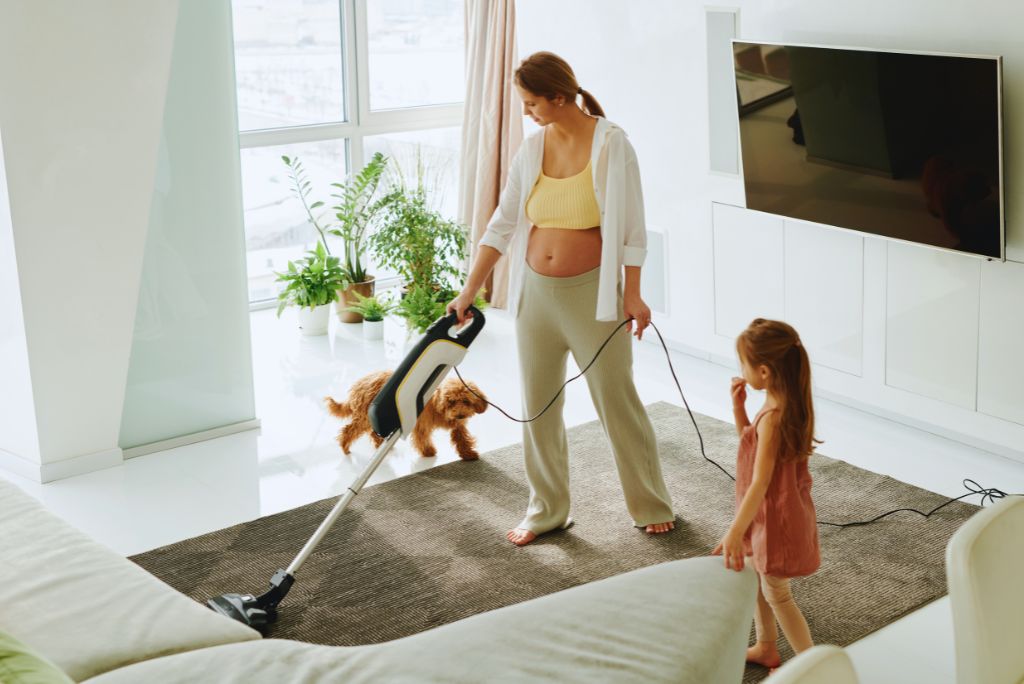
Spring brings fresh air, blooming flowers, and the perfect opportunity to refresh your space. For expecting moms, spring cleaning is not just about tidying up—it’s a way to prepare your home for one of life’s biggest changes.
Whether you’re in the early stages of pregnancy or counting down the weeks, cleaning and organizing can help you feel more in control and create a healthier, more peaceful environment for your growing family.
This guide explores practical ways to make spring cleaning safe, efficient, and even enjoyable during pregnancy. You’ll learn how to reduce chemical exposure, prepare a baby-friendly space, improve indoor air quality, and stay organized—all while listening to your body’s needs.
Why Is Spring Cleaning Important for Expecting Moms?
When you’re expecting, your body and priorities begin to shift. Many moms-to-be experience a strong nesting instinct, which naturally leads them to want a clean, cozy home before the baby arrives.
But spring cleaning during pregnancy offers more than emotional comfort. It also supports physical health. Removing dust, allergens, and clutter can create a cleaner air environment.
Organizing baby items ahead of time reduces stress later. Creating a calm, organized space can support better sleep, healthier routines, and a more relaxed mindset as you prepare for your new role.
What Cleaning Products Should You Use While Pregnant?
Traditional household cleaners often contain ingredients that may irritate sensitive skin or trigger nausea. Expectant moms may be more sensitive to smells, and some chemicals may not be ideal during pregnancy.
A safer approach to spring cleaning involves switching to gentle, non-toxic products.
Pregnancy-Safe Cleaning Options
- White vinegar: Naturally disinfects and cuts grease. Mix with water for cleaning countertops or glass.
- Baking soda: Great for scrubbing sinks, tubs, and tiles without scratching surfaces.
- Castile soap: A gentle, plant-based soap that works for mopping, dishwashing, and even cleaning baby items.
- Hydrogen peroxide: Effective for sanitizing surfaces without the use of bleach.
Look for cleaners labeled as biodegradable, fragrance-free, or made from plant-based ingredients. You can also make your own simple cleaning solutions at home using safe household items.
Which Cleaning Tasks Should Be Avoided During Pregnancy?
While you might feel the urge to scrub every corner of your home during your spring cleaning routine, it’s important to work within your physical limits. Some cleaning tasks are better left to someone else or saved for a different time.
Tasks to Skip or Delegate:
- Heavy lifting: Moving furniture or lifting storage bins can strain your back or increase the risk of injury.
- Climbing ladders: Avoid reaching high shelves or ceiling fans where a fall could occur.
- Harsh scrubbing: Repeated bending and scrubbing, especially on floors or bathtubs, can be exhausting and uncomfortable.
Instead, focus on smaller tasks or areas where you can clean safely. Use tools like extendable dusters and lightweight vacuums to minimize strain.
How Do You Prepare the Nursery During Spring Cleaning?
Setting up your baby’s nursery is one of the most exciting parts of pregnancy. It’s also an essential part of spring cleaning for expecting moms.
The room should feel welcoming, but more importantly, it should be safe and free of irritants.
Nursery Prep Checklist:
- Choose solid wood furniture: Avoid particleboard or MDF materials, as they may release harmful chemicals.
- Air out new furniture: Let cribs, dressers, and gliders sit in a ventilated room for a few days before use.
- Use natural fabrics: Opt for organic cotton or bamboo bedding, which is breathable and less likely to contain dyes or pesticides.
- Keep it clutter-free: Create organized storage bins for diapers, clothing, and feeding supplies.
This is also a good time to check your nursery for mold, moisture buildup, or temperature issues. Clean rugs, curtains, and air vents as part of your spring cleaning to improve the room’s air quality.
What Should Be Included in a Spring Cleaning Schedule?
Breaking down your cleaning tasks into manageable parts makes them easier to handle. This is especially important during pregnancy, when energy levels can fluctuate from day to day.
Spring Cleaning Schedule for Expecting Moms:
Daily:
- Wipe down countertops and kitchen surfaces.
- Run your air purifier and open windows when weather allows.
- Do a quick check for clutter in shared spaces.
Weekly:
- Vacuum carpets and mop hard floors.
- Wash bedding, pillowcases, and towels.
- Sanitize light switches, door handles, and remote controls.
Monthly:
- Clean behind major appliances like the fridge and stove.
- Replace HVAC or air purifier filters.
- Donate unused clothes or household items.
This approach to spring cleaning keeps your home in good shape without putting unnecessary pressure on your body.
Why Is Spring Cleaning Good for Your Mental Health?
Pregnancy can bring emotional ups and downs. Having a clean, organized home can give you a stronger sense of calm, especially as your due date approaches.
Mental Wellness Benefits:
- A tidy space reduces distractions and supports relaxation.
- Organized environments improve sleep quality and reduce anxiety.
- Prepared spaces make it easier to focus on your health and bonding with your baby.
When your environment feels peaceful, it’s easier to take care of yourself and prepare for what’s ahead.
Conclusion
Spring cleaning is not just a seasonal routine—it’s a meaningful way for expecting moms to prepare mentally, emotionally, and physically for the journey ahead. From choosing safer cleaning products to preparing the nursery and setting up recovery spaces, each step helps build a home that supports both mother and child.
You do not have to do it all at once. Take your time, pace yourself, and focus on progress over perfection. Whether you’re organizing baby gear or simply opening the windows for fresh air, each small effort adds up to a cleaner, healthier home.
And if you need personalized support along the way, OB2me is here to help. We offer compassionate, expert prenatal care to guide you through every step of pregnancy. From health monitoring to real-world advice like how to clean safely or set up your home, our team is here for you.
Contact OB2me today to learn more about our services and how we can help you create a safe and supportive environment for your pregnancy and postpartum recovery.
FAQs
What are the safest cleaning products to use during pregnancy?
Pregnant moms should choose non-toxic, fragrance-free, and eco-friendly cleaning products to avoid exposure to harsh chemicals. Natural options like vinegar, baking soda, and castile soap are effective and safe alternatives. Always clean in well-ventilated areas to minimize inhaling fumes.
How can I reduce exposure to harmful chemicals while cleaning?
To limit exposure, wear gloves, use a mask if needed, and opt for plant-based or homemade cleaning solutions. Avoid mixing bleach with ammonia or vinegar, as it can create toxic fumes. Reading labels and choosing “green” certified products can help ensure safety.
Is it safe to use air fresheners while pregnant?
Many air fresheners contain synthetic chemicals that can irritate the respiratory system or trigger allergies. Instead, try natural alternatives like simmering citrus peels and cinnamon on the stove or using essential oil diffusers (with pregnancy-safe oils like lavender or lemon).
Can I organize and declutter my home while pregnant?
Yes! Decluttering is a great way to prepare for your baby, but avoid excessive bending, lifting heavy items, or overexerting yourself. Take breaks, ask for help, and use storage solutions that will be easy to manage post-pregnancy.
How can I improve indoor air quality while spring cleaning?
Keep windows open for ventilation, use an air purifier with a HEPA filter, and replace HVAC filters regularly to reduce allergens. Houseplants like aloe vera and spider plants can also help purify indoor air naturally.