Understanding the Important Factors in an Unmedicated Birth

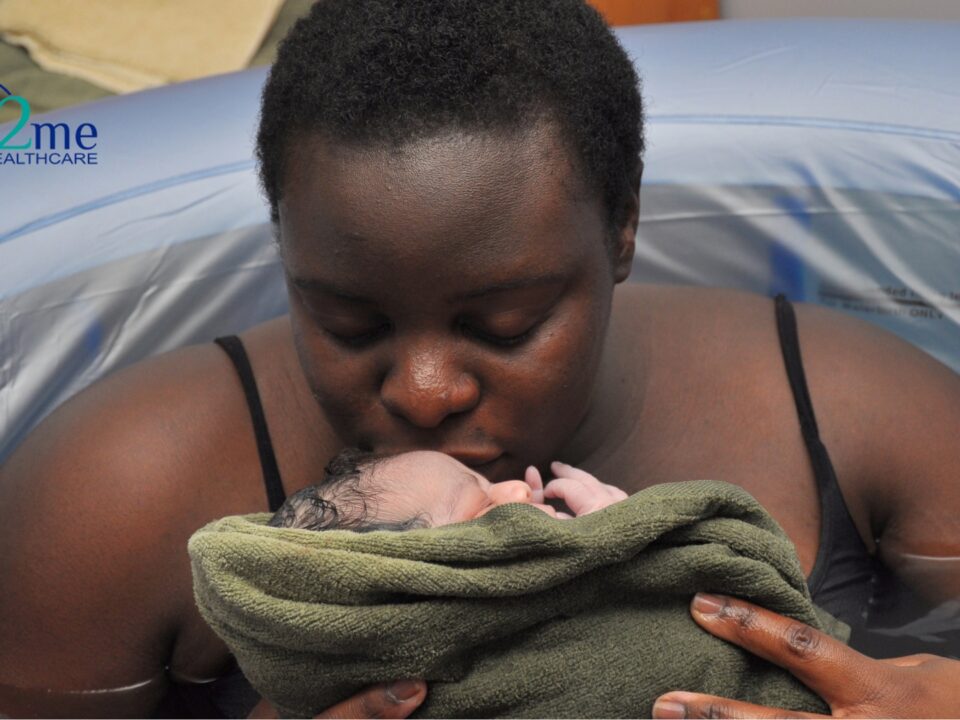
Everything You Need to Know About Water Birth and How to Prepare
July 9, 2026
A Guide to Choosing the Right Birth Space
August 6, 2026
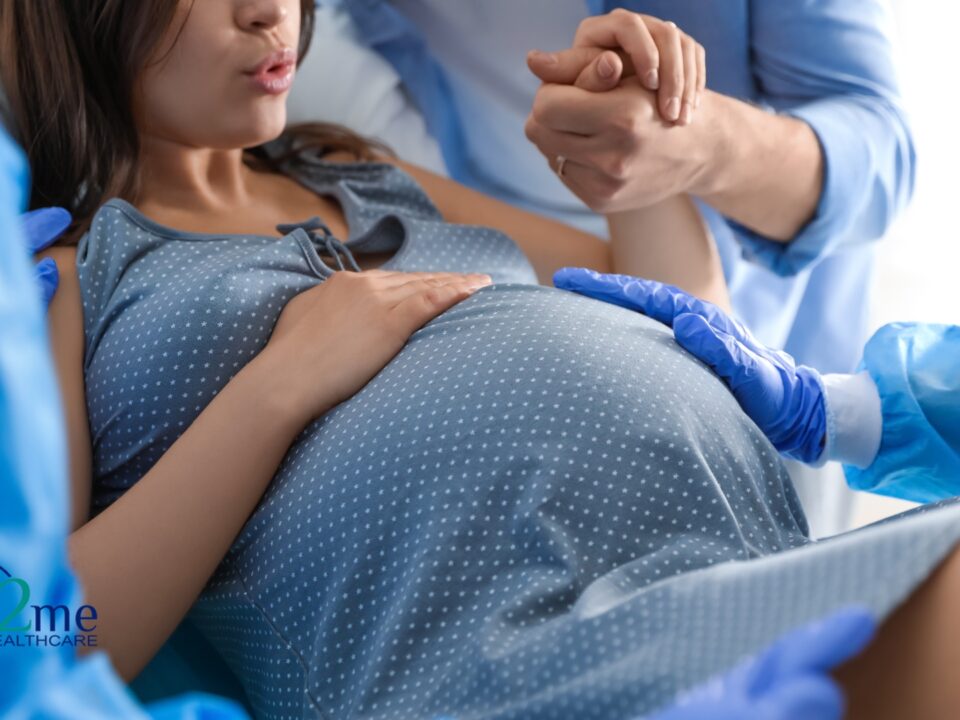
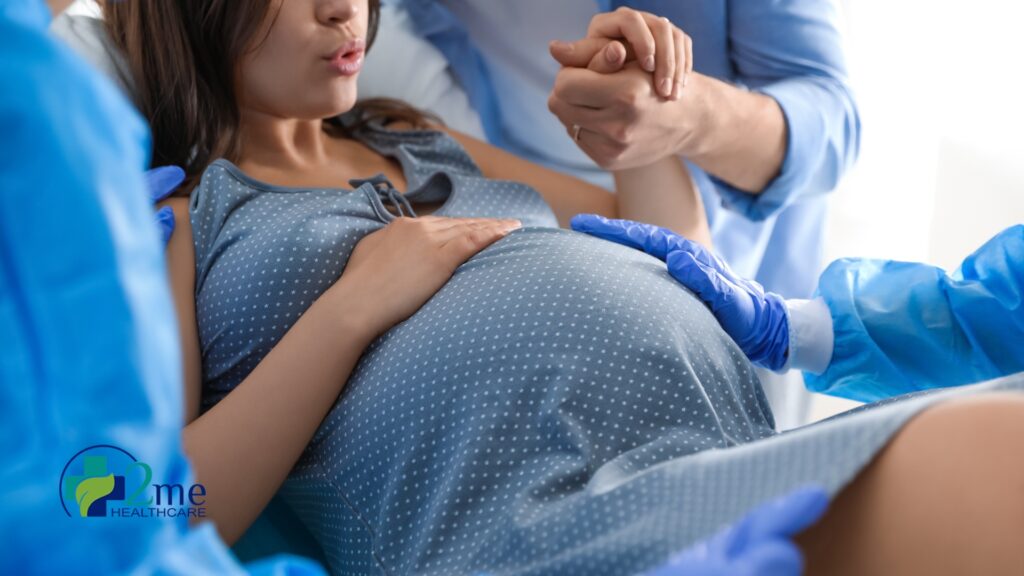
Unmedicated birth preparation is not about willpower. It is a process that starts weeks before labor begins, and it works best when it is built on knowledge, physical readiness, and the right support around you. The women who feel most satisfied after an unmedicated birth are almost always the ones who prepared with intention, not just hope.
What Unmedicated Birth Actually Means
An unmedicated birth means laboring and delivering without an epidural, IV opioids, or systemic pain medication. It does not mean forgoing all medical support. Continuous fetal monitoring, IV fluids, and other interventions are entirely separate decisions. Many women pursue an unmedicated birth for different reasons, including faster recovery, immediate mobility after delivery, or full sensory presence during one of the most significant moments of their lives. All of those reasons are valid.
The Physical Foundation of Unmedicated Birth Preparation
Conditioning Your Body for Labor
Labor is physical work, and your body benefits from being prepared for it. In the third trimester, walking maintains stamina, supports fetal positioning, and keeps the pelvis mobile. Prenatal yoga reduces musculoskeletal tension in the hips and lower back, both heavily involved in labor.
Pelvic floor work is another area worth understanding correctly. Most people associate it with Kegel exercises, which focus on contraction. For labor, the more critical skill is the opposite, which is learning to release and soften the pelvic floor on demand. Tension in that area works against descent. Practicing conscious release during breathwork directly supports unmedicated birth preparation.
Understanding Fetal Position
Your baby’s position going into labor significantly affects how labor feels and how long it lasts. A posterior baby, meaning the back of the baby’s head is against your back, tends to produce longer, more intense labor with pronounced back pain. Spending time on hands and knees, avoiding prolonged reclined positions in late pregnancy, and doing daily pelvic tilts can encourage a more favorable position. These are small adjustments with meaningful potential impact.
The Mental and Emotional Side of Unmedicated Birth Preparation
Breaking the Fear-Tension-Pain Cycle
Fear causes the body to tense, tension amplifies pain, and intensified pain reinforces fear. This has a physiological basis as fear triggers the sympathetic nervous system, which redirects blood flow away from the uterus and increases muscle tightness throughout the body. Breaking that cycle starts before labor, through honest education and realistic expectation-setting. Framing labor’s intensity as the body doing exactly what it is designed to do is neurologically different from framing it as dangerous.
Building a Mental Toolkit
Breathing techniques and visualization work because the nervous system responds to rehearsal. Slow rhythmic breathing in early labor calms the nervous system and supports oxytocin. Breathing down through contractions during pushing supports descent rather than working against it. Practice these before labor, not for the first time during it.
Your Birth Environment Matters
Oxytocin, the hormone that drives labor, is sensitive to environmental cues. Dim lighting, warmth, privacy, and low noise levels all support its production. Conversely, bright overhead lights, frequent interruptions, and a feeling of being observed can trigger adrenaline, which competes directly with oxytocin and can stall labor. ACOG’s guidance on limiting intervention during labor acknowledges that environmental and positional factors directly affect labor progression.
Your birth plan should include specific requests such as dimmed lights, freedom of movement, access to a shower or tub, and minimal unnecessary interruptions. A good provider will help you communicate these clearly to your hospital team before you arrive.
Who You Bring Into the Room
Preparing Your Support Person
Your support person should understand the plan, know several comfort measures, and be able to stay grounded when intensity rises. That means attending childbirth education together and having a frank conversation beforehand about when to advocate on your behalf and when to stay quiet and hold space.
The Case for a Doula
A doula provides something a partner often cannot, which is continuous, trained, and emotionally steady support throughout labor. Continuous support is associated with higher rates of spontaneous vaginal birth, shorter labors, less use of pain medication, and lower cesarean rates. The benefits were most pronounced when support came from someone in a doula role. For unmedicated birth preparation, a doula is the infrastructure.
Childbirth Education Designed for Your Goal
Standard hospital birth classes cover the basics. For unmedicated birth preparation specifically, evidence-based programs like Lamaze, the Bradley Method, and Hypnobirthing go further.
Lamaze focuses on informed decision-making and active coping. Bradley emphasizes partner-led support and deep relaxation. Hypnobirthing uses visualization and language reframing to alter the perception of sensation.
The goal of any childbirth education is to shrink the uncertainty enough that you can work with your body rather than against it.
When Your Plan Needs to Flex
Prolonged labor, unexpected fetal positioning, or sheer exhaustion can shift what is safe or wise. Accepting an intervention under those conditions is not a failure. What matters is that every decision is yours to make, with full information and without pressure. That is what the right provider makes possible.
At OB2Me, we build a personalized preparation plan with you from early in your pregnancy, covering positioning, breathing, birth preferences, and an honest conversation about what labor actually looks like. If you are ready to start that conversation, contact OB2Me today.