The Little Things That Make a Big Difference in Your Birth Space

A Guide to Choosing the Right Birth Space
August 6, 2026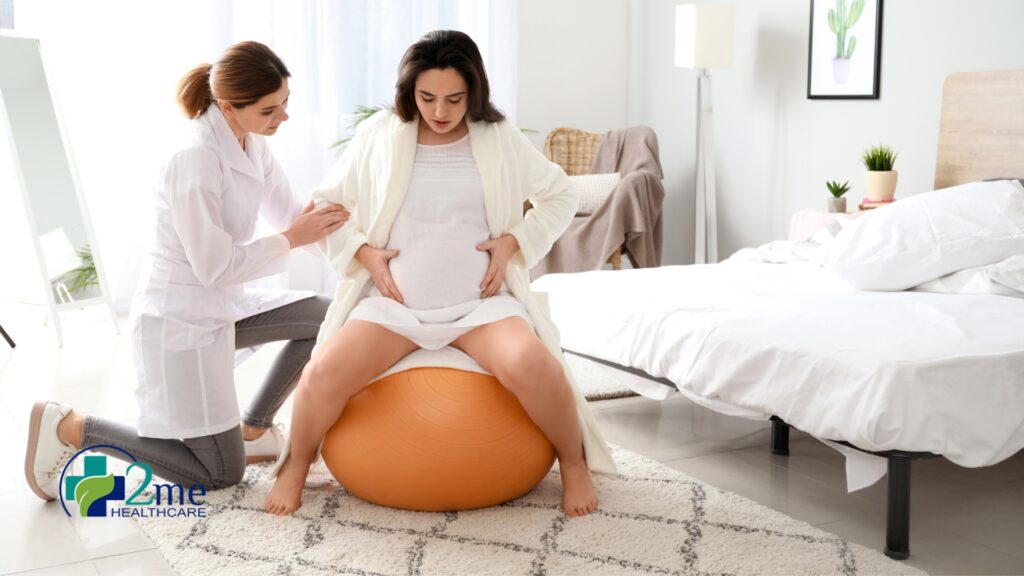
Your birthing room is more than a backdrop. Most birth preparation focuses on the provider, the hospital, and the birth plan. But the details inside that room shape how your body responds to contractions, how calm you feel, and how supported you are when things get hard. Many of these details are within your control. None of them requires a large budget. All of them are worth thinking through well before you arrive.
Why Your Birthing Room Environment Is a Clinical Variable
The environment of your birthing room directly affects labor hormones. Oxytocin, the hormone that drives contractions, is produced most readily in conditions of safety, warmth, and low stimulation. When the nervous system senses a threat, it releases adrenaline. Adrenaline and oxytocin compete directly. This is why a woman can slow or stall in a bright, noisy room and progress steadily when conditions shift. The way your birthing room looks, sounds, smells, and feels matters physiologically, not just emotionally.
Lighting
Overhead fluorescent lighting signals alertness to the brain. Alertness is the opposite of the inward, calm state labor benefits from. Many hospital rooms have dimmers, and most staff will turn off overheads on request. Even so, bringing backup lighting is a practical precaution. Battery-powered string lights, a warm-toned clip lamp, and flameless candles are all good options. Any of them can transform a clinical birthing room into something genuinely calm within minutes. Check your facility’s policy on battery-operated items in advance. Most hospitals allow them.
Sound
Music during labor has more research support than most people expect. Studies found that listening to music was statistically significantly effective in reducing labor pain intensity across all phases of labor. The effect was strongest during the active phase. For best results, prepare a playlist before labor begins. This removes decision-making at a moment when you want none. Bring a small portable speaker, since phone speakers rarely deliver the sound quality that actually helps.
Not every woman wants music. Some find silence or steady white noise more grounding. White noise also masks disruptive hallway sounds, which can be a meaningful advantage in a shared hospital corridor.
Scent
Scent is processed by the limbic system, the same region of the brain that governs emotion and stress response. Familiar or calming scents can activate the parasympathetic nervous system and reduce the perception of pain. Lavender has the strongest research base in birth settings. A battery-operated diffuser or a cotton ball with a few drops of oil works in most hospital rooms. Confirm your facility’s policy before packing one.
Physical Comfort in Your Birthing Room
Warmth, Clothing, and Familiar Objects
A warm birthing room supports muscle relaxation and oxytocin production. Ask for warm blankets as soon as you arrive. Use the shower or tub if it is available. Bring your own socks, since cold feet are a consistently reported labor complaint that few women plan for. Your own pillow carries a familiar texture and scent, both of which communicate safety to the nervous system. Wearing your own gown rather than a hospital gown preserves dignity and a sense of familiarity. Bring options, since what feels comfortable before labor begins may feel very different during it.
Positioning Aids Worth Requesting in Your Birthing Room
Not all facilities stock every positioning tool, so ask during your tour. A birth ball encourages upright positioning and hip opening during contractions. A peanut ball, used between contractions for women with epidurals, supports fetal positioning and descent. A squat bar attaches to the birthing bed and supports pushing positions that work with gravity.
Who Belongs in Your Birthing Room
The people present in your birthing room are part of the environment. Each person should have a clear role, such as support, advocacy, documentation, or steady presence. Anxious energy, people who need managing, and unnecessary visitors add to the cognitive and emotional load during labor. Have an honest conversation before labor about who belongs in the room and who waits outside.
What to Pack for Your Birthing Room
Several items are almost always forgotten and consistently helpful. A cold cloth for the forehead offers real relief during transition. Chapstick prevents cracked lips from breathing through contractions. A printed list of affirmations posted at eye level gives you something to anchor to during hard contractions. A meaningful focal point object helps redirect attention in the same way. Snacks and drinks for your support person matter more than most people plan for. A depleted, hungry support person is not effective support. These items take minutes to gather and make a real difference in your birthing room.
Preparing Your Birthing Room With the Right Provider
The best birthing room is the one you have thought about in advance. A hospital room can be transformed with forethought, a packed bag, and a provider who understands what you need. At OB2Me, we walk you through every detail of birth space preparation from early in pregnancy. This includes what to request, what to pack, and how to write a birth plan that holds up in the room. To learn more about OB2Me’s concierge care services, reach out to start that conversation.

Carson Ragan, CNM is a Certified Nurse Midwife with more than 25 years of experience in Labor & Delivery, Neonatal ICU, and women’s healthcare. After becoming a mother at a young age and experiencing the birth of her premature second child, she was inspired to pursue nursing and ultimately midwifery.
She earned her nursing degree from Columbus State University and graduated as an RN in 1999. After years of experience as an L&D and NICU nurse, charge nurse, educator, and clinician, she earned her graduate degree from Frontier School of Midwifery and Family Nursing in 2010 and became a Certified Nurse Midwife.
Her personal experiences as both a mother and healthcare provider inspired her vision for a more personal, convenient approach to women’s healthcare. She created a concierge model designed to give women more time, individualized attention, and quality care in the comfort of their home or office.
Outside of work, Carson enjoys spending time with her husband and five children, volunteering with her daughter’s volleyball teams, traveling, and scuba diving.