
Prenatal Testing and Screening: Questions Expecting Parents Ask
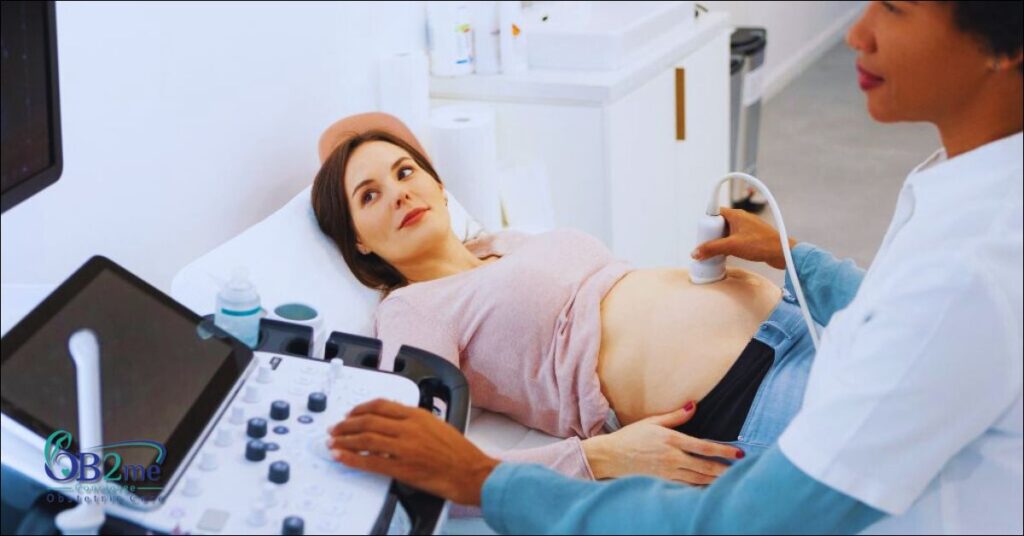
Prenatal care has changed significantly over the years. Today, prenatal testing plays a key role in helping healthcare providers monitor the health of both mother and baby throughout pregnancy. From early blood tests to detailed ultrasounds, these tools offer valuable information at every stage.
Still, many expecting parents have questions: What’s the difference between screening and diagnostic tests? What types of prenatal testing are available? Do I need all of them?
This article answers those questions and more. It also explains the types of tests offered, what they mean, and how they support informed decision-making during pregnancy.
What Is the Difference Between Prenatal Testing and Screening?
Prenatal screening and prenatal testing may sound similar, but they are not the same.
- Prenatal screening looks at the chance that the baby might have a certain condition. These tests are usually non-invasive and are done in the early and middle stages of pregnancy.
- Prenatal diagnostic testing confirms whether or not the baby actually has the condition. These tests are often more accurate but may involve a small risk due to the way they are performed.
Screening gives an overview of possible concerns. Testing provides clearer answers if a concern is found.
Why Is Prenatal Testing Important?
Prenatal testing helps identify health concerns early. The main reasons for testing include:
- Finding genetic conditions, such as Down syndrome
- Checking for inherited disorders like cystic fibrosis
- Monitoring the baby’s growth and development
- Identifying problems in the uterus or placenta
- Helping families make choices about care and planning
The goal is to provide parents and doctors with as much helpful information as possible.
What Types of Prenatal Screening Are Offered?
Prenatal screenings usually take place during the first and second trimesters. These tests help doctors estimate the chance of certain conditions before moving forward with further testing if needed.
First Trimester Screenings
- Nuchal Translucency (NT) Ultrasound
This test measures the fluid behind the baby’s neck. More fluid than usual may suggest a higher chance of genetic conditions. - Blood Tests (PAPP-A and Free Beta-hCG)
These check for protein levels in the mother’s blood. Abnormal results could point to a greater chance of chromosomal problems.
Second Trimester Screenings
- Multiple Marker Screening (Triple or Quad Screen)
This test measures several substances in the mother’s blood. These include alpha-fetoprotein (AFP), human chorionic gonadotropin (hCG), estriol, and inhibin A. - Ultrasound
A second-trimester ultrasound checks the baby’s growth, confirms due dates, and helps detect physical conditions. - Cell-Free DNA Screening (cfDNA or NIPT)
This test examines fragments of the baby’s DNA that are in the mother’s blood. It is often used to look for chromosomal problems early in pregnancy.
Integrated Screening
Some providers combine results from both the first and second trimesters. This approach gives a more complete view of the baby’s health risks.
What Are the Common Types of Prenatal Diagnostic Tests?
If a screening shows a higher risk or if the pregnancy is considered high risk, doctors may recommend diagnostic prenatal testing. These tests give more reliable results.
Chorionic Villus Sampling (CVS)
- Timing: Between 10 and 13 weeks
- Method: A small sample is taken from the placenta
- Purpose: To detect chromosomal and genetic conditions
CVS uses placental cells, which contain the same genetic material as the baby.
Amniocentesis
- Timing: Between 15 and 20 weeks
- Method: A small amount of amniotic fluid is removed using a thin needle
- Purpose: To find chromosomal problems and check for other health issues
This fluid contains cells and proteins from the baby, which help doctors evaluate various conditions.
Fetal Blood Sampling
- Timing: After 18 weeks
- Method: A small sample of blood is taken from the umbilical cord
- Purpose: To check for blood disorders and certain infections
This test is not used often but may be helpful in specific situations.
High-Resolution Ultrasound
This advanced ultrasound creates a clearer picture of the baby’s body and organs. It is used when doctors need a closer look at specific structures.
What Are the Benefits of Prenatal Testing?
Prenatal testing offers many advantages:
- Early detection of possible health concerns
- Time to plan for medical support or specialized care
- A greater understanding of the pregnancy
- Emotional support and preparation for families
- Access to counseling and early services if needed
With this information, families and care teams can make decisions that support the best possible outcome.
What Are the Limitations of Prenatal Testing?
Although prenatal testing is helpful, it does have limits.
- Screening results are not diagnoses. They only show the chance of a condition.
- There can be false positives or negatives, which may cause stress or confusion.
- Diagnostic tests may involve small risks, including the chance of infection or miscarriage.
- Results can be hard to process, especially when they bring up difficult choices.
Talking with a healthcare provider helps parents understand what the results mean and what steps to take next.
What Ethical Questions Can Prenatal Testing Raise?
Prenatal testing can sometimes lead to difficult decisions. When a test finds a serious condition, parents may need to decide how to move forward. This can bring up personal, emotional, and moral concerns.
Some of the ethical questions may include:
- Whether or not to have certain tests
- What to do if a test finds a serious condition
- How much information do parents want to know about their baby
Families should feel free to make the choices that are right for them. Genetic counselors can offer guidance and support through these decisions.
How Can Parents Prepare for Prenatal Testing?
Being prepared helps families feel more confident throughout the testing process. Here are a few simple steps to take:
- Talk to your provider about which tests are recommended and why.
- Ask questions about what the results could mean and what options may follow.
- Write down your family medical history to help identify risks.
- Consider speaking with a genetic counselor before and after testing for added support.
- Take time to think about your values and preferences. This helps when making decisions based on test results.
Good preparation can ease some of the stress that may come with unexpected news.
How Has Prenatal Testing Improved Over Time?
Prenatal testing has become much more advanced in recent years. It is now safer, faster, and more accurate than it was just a few decades ago.
Here are some key improvements:
- Earlier testing options: Many conditions can now be screened or tested for in the first trimester.
- Better imaging: High-quality ultrasounds offer detailed views of the baby’s body.
- Non-invasive options: Tests like NIPT use the mother’s blood, which lowers risk.
- Expanded panels: Some labs offer tests that screen for a wide range of conditions in one step.
These improvements give families more information and more time to prepare.
How OB2me Can Support You Through Prenatal Testing
Prenatal testing may feel overwhelming, especially for first-time parents. At OB2me, we work to make the experience as simple and supportive as possible. Our prenatal care team takes the time to explain each test, answer your questions, and help you understand your options.
Whether you’re starting your first trimester or preparing for delivery, we offer personalized care every step of the way. Our services include:
- Comprehensive prenatal screenings and diagnostic testing
- Ultrasound imaging
- Genetic counseling referrals
- One-on-one support throughout pregnancy
Contact OB2me to learn how we can help you through every stage of your prenatal care. With the right guidance and trusted providers, you can feel confident and supported in your journey toward parenthood.