
A Week-by-Week Guide to Fetal Development
Fetal development is one of the most fascinating and intricate processes in human biology. From the moment of conception, a single cell initiates a remarkable transformation that culminates in the birth of a fully developed baby. Each week brings new changes, many of which go unnoticed but are vital to life outside the womb.
This comprehensive, trimester-based guide provides a clear, week-by-week breakdown of fetal development. Whether you are expecting, planning a pregnancy, or simply curious, understanding what happens at each stage helps build a stronger connection to the pregnancy experience.
What Are the Three Trimesters of Pregnancy?
Pregnancy is divided into three main trimesters, each spanning about 13 weeks. Each trimester marks a distinct phase of fetal development:
- First trimester (Weeks 1 to 12): Initial formation of the body’s essential organs and systems
- Second trimester (Weeks 13 to 26): Rapid growth and sensory development
- Third trimester (Weeks 27 to 40): Final growth, maturation of organs, and preparation for birth
These stages enable healthcare providers and parents to monitor development, identify potential risks, and make informed decisions about prenatal care.
What Happens During the First Trimester of Fetal Development?
The first trimester is foundational. It includes fertilization, implantation, and the initial formation of organs. Although the baby is still very small, this period involves some of the most critical stages of fetal development.
Weeks 1 to 4: Fertilization and Early Cell Growth
Pregnancy begins when a sperm cell fertilizes an egg, resulting in the formation of a zygote. This single cell carries the entire genetic blueprint of a new human. The zygote travels down the fallopian tube, dividing rapidly into a blastocyst, which then implants itself in the uterus.
In these early weeks, the body also begins forming the placenta, the organ responsible for transferring nutrients and oxygen to the baby throughout the pregnancy.
Weeks 5 to 8: Basic Organs Begin to Form
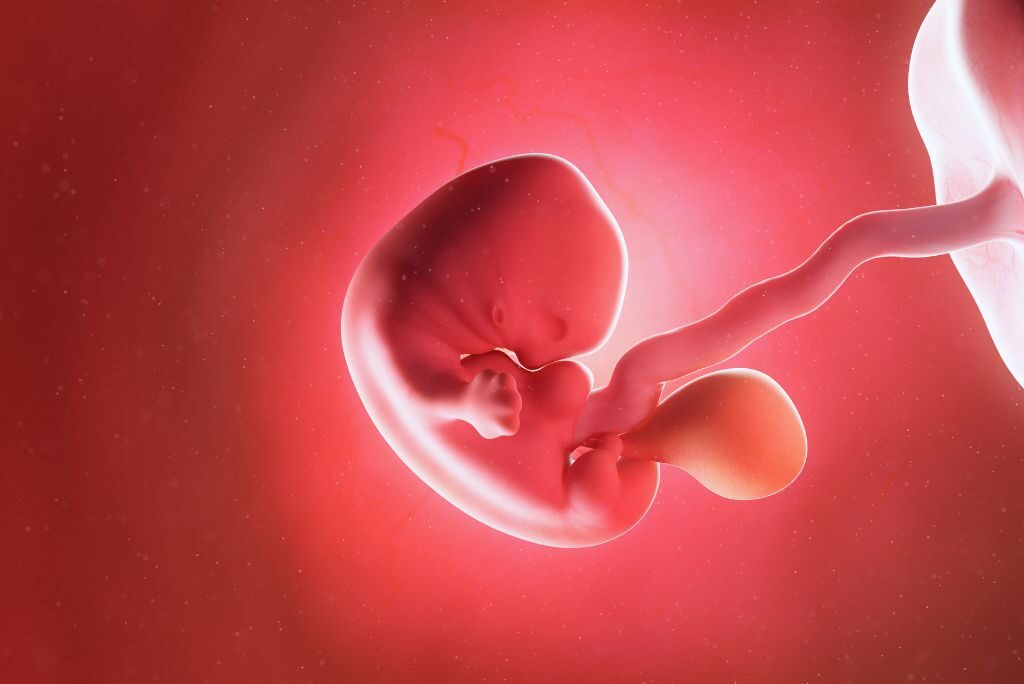
Around week 5, the embryo begins to develop key body structures. The neural tube, which develops into the brain and spinal cord, closes by the end of the fourth week.
The heart begins to beat in week 5. By week 8, limb buds, facial features, and the foundations of major organs, such as the liver, lungs, and kidneys, are in place. At this point in fetal development, the embryo is no longer just a group of cells. It has begun to take on a recognizable shape, setting the stage for more visible growth.
Weeks 9 to 12: Transitioning from Embryo to Fetus
By week 9, the embryo has developed into a fetus. This marks the beginning of the fetal period, where the focus shifts from basic formation to growth and refinement. The brain continues to develop rapidly, while other organs, such as the intestines and kidneys, begin to function in a basic manner.
Fingers and toes become more defined, and external ears begin to take shape. Although the baby is still small—about 2 to 3 inches long—the groundwork for all future development has been established.
What Key Changes Occur During the Second Trimester?
The second trimester is often considered the most enjoyable part of pregnancy for many mothers. Fetal development continues with increased movement, the start of sensory perception, and rapid body growth.
Weeks 13 to 16: Growth Spurt and Limb Movement
By week 16, the fetus weighs approximately 3.5 ounces and measures around 4.5 inches in length. Muscles and bones grow stronger, and reflexes such as sucking and swallowing begin.
Although movement has already started, it may now be felt by the mother as gentle flutters. Fetal development during these weeks also includes the beginning of vocal cord formation and continued brain growth.
Weeks 17 to 20: Sensory Organs Become Functional
By week 20, the fetus can hear sounds outside the womb. The ears and eyes are now positioned properly on the face. The skin becomes covered in lanugo, a soft layer of hair, and vernix caseosa, a protective wax-like coating.
Internally, fetal development includes the strengthening of the heart and lungs. The baby now has a strong enough heartbeat to be detected through a fetal Doppler device.
Weeks 21 to 24: Taste, Touch, and Sleep Patterns Emerge
Taste buds develop on the tongue, and the fetus begins to detect flavors in the amniotic fluid. The baby starts to touch its own face, explore its surroundings, and even suck its thumb.
Sleep and wake cycles become more regular. These early behaviors reflect the continued refinement of the central nervous system, a major part of second-trimester fetal development.
Weeks 25 to 26: Lung Function and Brain Activity Improve
The lungs begin producing surfactant, a substance that enables them to expand and contract after birth. Although not yet ready for independent breathing, this stage is a major milestone in fetal development.
The brain continues forming neural connections that support learning, movement, and memory.
What Developments Define the Third Trimester?
In the third trimester, the baby prepares for life outside the womb. This phase of fetal development is marked by rapid weight gain, organ maturation, and increased interaction with the environment.
Weeks 27 to 30: Strengthening Muscles and Building Fat
By week 30, the fetus is about 15 inches long and weighs roughly 3 pounds. Body fat accumulates to help regulate temperature after birth. Movements become more coordinated and easier to feel, often including kicks, stretches, and rolls.
The baby also practices breathing motions, which help prepare the chest muscles and diaphragm for real breathing after delivery.
Weeks 31 to 34: Hardening Bones and Maturing Lungs
The fetal skeleton absorbs calcium from the mother’s diet to harden bones, though they remain soft enough for a safe passage through the birth canal. The lungs continue producing surfactant, becoming more capable of supporting breathing if the baby is born prematurely.
Fetal development during this time also includes the growth of toenails, fingernails, and even hair on the head.
Weeks 35 to 37: Getting Ready for Birth
At this stage, the baby often shifts into a head-down position. This movement, called “lightening,” is a sign that the body is preparing for delivery. The brain is nearing its full size, and the nervous system can now control basic functions, such as body temperature and breathing.
While the baby is considered late preterm until 37 weeks, many systems are now close to maturity.
Weeks 38 to 40: Final Preparation for Life Outside the Womb
By week 40, the baby is considered full term. The organs are fully developed, and the baby has gained enough fat to maintain body temperature. The lungs, brain, and liver have all matured enough to support life outside the womb.
Most babies drop lower into the pelvis during these weeks. Braxton Hicks contractions—short, irregular tightening of the uterus—may become more noticeable as the body gets ready for labor.
Why Is It Important to Understand Fetal Development?
Knowing what happens each week of fetal development can be both reassuring and informative. It helps parents recognize what is normal, track progress with their healthcare provider, and prepare for delivery.
Understanding fetal development also enables families to plan for prenatal check-ups, a healthy diet, lifestyle adjustments, and any potential medical interventions. Each stage brings new needs and milestones, and being aware of them contributes to healthier outcomes.
Conclusion
Fetal development is a carefully timed, beautifully orchestrated process. In just 40 weeks, a single fertilized cell develops into a newborn baby, complete with a beating heart, an active brain, and functioning lungs.
Understanding how your baby is developing each week can help you feel more involved and prepared. It also encourages healthy habits, regular medical care, and emotional connection during pregnancy.
For personalized prenatal support, contact OB2me. Our team offers expert care and guidance at every step of your pregnancy.
From week one to week 40, we’re here to support you and your growing baby with tailored medical advice and compassionate care.
FAQs
When does fetal development begin?
Fetal development begins at conception, but the term “fetus” is officially used starting in week 9. Before that, the developing baby is referred to as an embryo.
How can I track my baby’s development each week?
Your healthcare provider will use ultrasounds and physical exams to monitor development. You can also follow a week-by-week fetal development tracker through pregnancy apps or books.
What are the first signs of fetal movement?
Most mothers feel movement between weeks 16 and 22. Early movements may feel like flutters or bubbles and become more noticeable over time.
Can stress affect fetal development?
High levels of chronic stress can potentially impact fetal development. It’s important to seek support, rest, and maintain a calm environment whenever possible.
When is a fetus considered full-term?
A baby is considered full-term at 39 to 40 weeks. Babies born before 37 weeks are considered preterm and may need extra care after delivery.