
Prenatal Care for High-Risk Pregnancy: Strategies to Prevent Preterm Labor
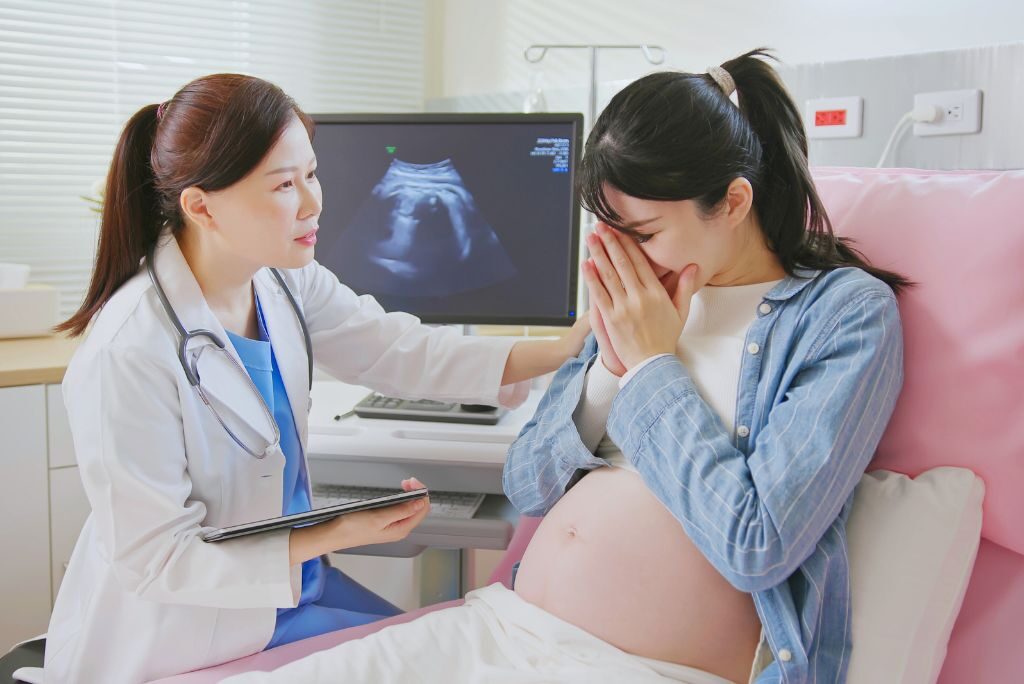
When a pregnancy is classified as high-risk, it requires more than routine checkups. It calls for a thoughtful, personalized approach focused on reducing complications and promoting healthy outcomes. One of the primary concerns in these cases is the risk of preterm labor, which can lead to serious health issues for both the baby and the mother.
This guide explores how prenatal care for high-risk pregnancy plays a crucial role in preventing early labor and supporting expectant mothers throughout their journey.
What Is a High-Risk Pregnancy?
A high-risk pregnancy is one where the chance of complications is significantly greater than in a typical pregnancy. This may be due to medical conditions, age, multiple gestation, or a history of previous pregnancy complications.
Understanding what makes a pregnancy high-risk is the first step toward creating a care plan that supports both the mother’s and baby’s health.
What Factors Can Make a Pregnancy High-Risk?
Several risk factors can increase the chances of complications during pregnancy. These include:
- Chronic health conditions like diabetes, high blood pressure, or obesity
- Genetic conditions such as cystic fibrosis or sickle cell anemia
- Maternal age younger than 17 or older than 35
- Multiple pregnancies, including twins or triplets
- Lifestyle choices like smoking or alcohol use
- Previous pregnancy issues such as miscarriage, preterm labor, or stillbirth
Each of these factors can increase the risk of early delivery, making prenatal care for high-risk pregnancy even more important for early intervention and monitoring.
How Does Medical History Affect Pregnancy Risk?
A woman’s health history plays a big role in pregnancy outcomes. If she has previously experienced complications—such as preterm labor, gestational diabetes, or preeclampsia—she may be more likely to face similar issues in future pregnancies.
Other important factors include:
- Uterine abnormalities
- History of cesarean delivery
- Short cervix or cervical insufficiency
Prenatal care for high-risk pregnancy often includes screening for these issues early in the first or second trimester so that steps can be taken to prevent problems later on.
What Does Prenatal Care Look Like for High-Risk Pregnancies?
High-risk pregnancies require a tailored care plan that includes more frequent visits, specialized testing, and input from maternal-fetal medicine specialists. The care plan is designed to identify potential problems as early as possible and manage them proactively.
How Often Should Appointments Take Place?
For high-risk pregnancies, medical professionals typically recommend:
- Visits every two weeks during the second trimester
- Weekly visits starting around 28 weeks of gestation
These appointments provide ongoing opportunities to monitor the baby’s growth and catch early warning signs of complications, especially preterm labor.
What Kind of Tests Are Common in High-Risk Pregnancy?
Prenatal care for high-risk pregnancy usually includes additional screenings that go beyond what is offered in standard pregnancies.
Common tests and procedures include:
- Ultrasounds for fetal growth and anatomy
- Doppler imaging to assess blood flow between the placenta and fetus
- Biophysical profiles (BPPs) to measure fetal movement and amniotic fluid
- Fetal heart rate monitoring to detect signs of distress
- Cervical length checks, especially between 16 and 24 weeks
These tests help healthcare providers make informed decisions about next steps in care and whether medical intervention is needed.
What Lifestyle Habits Support a Safer High-Risk Pregnancy?
Simple changes can have a large impact. These include:
1. Healthy Nutrition
Eating a balanced diet with plenty of protein, iron, folic acid, and calcium supports both mother and baby. Omega-3 fatty acids, found in fish and flaxseed, are linked to better brain development and reduced inflammation.
Prenatal vitamins are also recommended to fill in any nutritional gaps.
2. Hydration and Rest
Drinking enough fluids each day helps maintain amniotic fluid levels and prevents contractions triggered by dehydration. Rest is equally important, especially if a doctor recommends reduced physical activity or bed rest.
3. Stress Management
Stress can influence hormone levels and increase the chance of early labor. Relaxation techniques like yoga, mindfulness, and regular sleep routines can help manage anxiety. Support from family or a therapist also makes a difference.
What Medical Treatments Help Lower the Risk of Preterm Birth?
For some women, lifestyle changes are not enough. In these cases, medical treatments may be recommended as part of prenatal care for high-risk pregnancy.
1. Progesterone Therapy
Progesterone is a hormone that helps support pregnancy. Women with a history of preterm labor or a short cervix may benefit from progesterone shots or vaginal suppositories starting around 16 weeks.
2. Cervical Cerclage
This surgical procedure involves placing stitches in the cervix to help keep it closed until late in pregnancy. It’s often used when cervical insufficiency is diagnosed early through ultrasound or if the woman has had preterm deliveries before.
3. Tocolytic Medication
If early contractions start, tocolytics can be used to delay labor for up to 48 hours. This short window allows time to administer corticosteroids, which help the baby’s lungs develop faster.
How Should You Prepare for Delivery in a High-Risk Pregnancy?
The closer you get to your due date, the more important it becomes to have a solid delivery plan in place. High-risk pregnancies often require extra planning and backup options.
1. Choosing the Right Hospital
If you are at risk for preterm labor, it’s important to choose a hospital with a Neonatal Intensive Care Unit (NICU). These units offer advanced care for babies born before 37 weeks or with special health needs.
2. Working With Specialists
Prenatal care for high-risk pregnancy may include consultations with maternal-fetal medicine (MFM) specialists, neonatologists, and anesthesiologists. These professionals work together to create a safe plan for both delivery and recovery.
3. Planning for Different Scenarios
Talk to your care team about different delivery outcomes, including the possibility of a cesarean birth or induction of labor. Having a flexible birth plan that covers both routine and emergency scenarios can reduce stress and confusion on the day of delivery.
Conclusion
Pregnancy comes with its share of challenges, but when added risk factors are present, the need for expert support becomes even more important. Prenatal care for high-risk pregnancy is about more than frequent checkups. It’s about building a care plan that supports the unique needs of both mother and baby—before, during, and after birth.
From frequent monitoring and testing to lifestyle guidance and emotional support, this care model is designed to reduce the risk of preterm labor and promote healthy delivery outcomes. If you have concerns about your pregnancy or have been told you are at risk of early labor, OB2me is here to help.
OB2me provides comprehensive prenatal care for high-risk pregnancy in Marietta, GA. Our team of experienced providers offers personalized support, regular monitoring, and access to maternal-fetal specialists to guide you every step of the way.
Contact OB2me today to learn how we can support your journey to a healthy pregnancy and delivery.
FAQs
What is considered a high-risk pregnancy?
A pregnancy is considered high-risk when the mother, baby, or both face an increased chance of health complications. This may be due to medical conditions, maternal age, previous pregnancy problems, or multiple gestations.
How does prenatal care for high-risk pregnancy differ from routine care?
Prenatal care for high-risk pregnancy involves more frequent checkups, advanced screenings, and possible consultations with maternal-fetal medicine specialists. The goal is to identify risks early and manage them throughout the pregnancy.
Can lifestyle changes help reduce the risks in a high-risk pregnancy?
Yes, adopting healthy habits such as balanced nutrition, regular rest, proper hydration, and stress reduction can positively influence outcomes. These lifestyle adjustments are often a key part of the care plan for high-risk pregnancies.
What medical treatments are available to help prevent preterm labor?
Doctors may recommend progesterone therapy, cervical cerclage, or tocolytic medications depending on the individual case. These treatments aim to reduce the chance of early delivery and give the baby more time to develop.
When should I contact my doctor during a high-risk pregnancy?
You should contact your doctor if you experience symptoms such as regular contractions, vaginal bleeding, pelvic pressure, or fluid leakage. Early intervention is important and can help prevent serious complications.