
How Does Diabetes Affect Pregnancy?
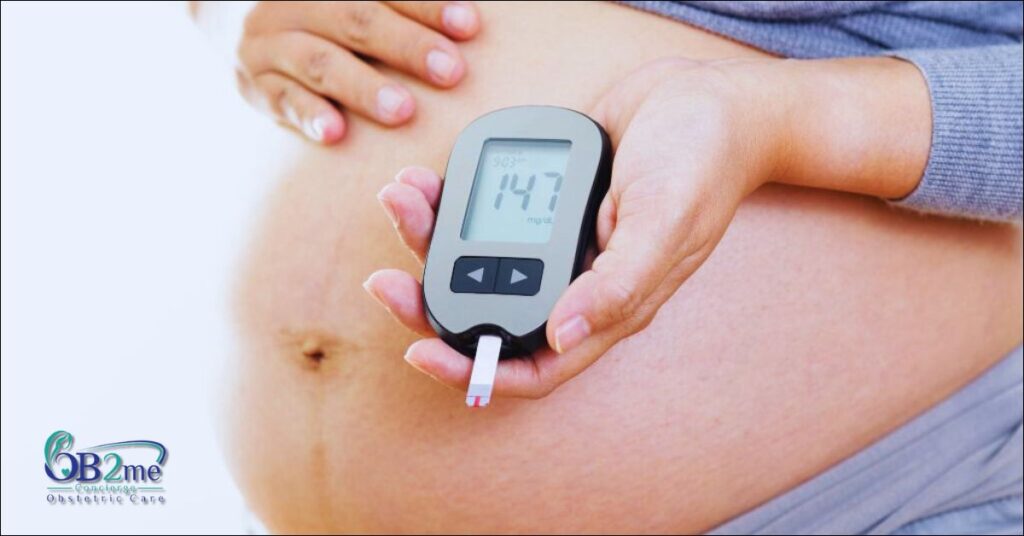
If you are asking, “how does diabetes affect pregnancy,” you are already taking an important step toward protecting both your health and your baby’s development. Diabetes can add complexity to pregnancy, but with the right care, guidance, and consistent monitoring, many women go on to have safe pregnancies and healthy babies.
Understanding how blood sugar levels influence your body during pregnancy helps you make better decisions, reduce risks, and feel more in control throughout the journey.
What Is Diabetes and How It Affects the Body
Diabetes is a condition that affects how your body processes glucose, which is the main source of energy for your cells. Insulin is the hormone responsible for moving glucose from your bloodstream into your cells. When insulin does not work properly or is not produced in sufficient amounts, glucose builds up in the blood.
This leads to elevated blood sugar levels, which can affect multiple organs over time, including the heart, kidneys, eyes, and nerves.
During pregnancy, hormonal changes naturally make the body more insulin-resistant. This means even women without a history of diabetes can experience higher blood sugar levels.
There are three main types of diabetes that may affect pregnancy:
- Type 1 diabetes: An autoimmune condition where the body produces little or no insulin.
- Type 2 diabetes: A metabolic condition where the body becomes resistant to insulin or does not use it effectively.
- Gestational diabetes: A temporary condition that develops during pregnancy due to hormonal changes.
Each type requires careful monitoring during pregnancy, but gestational diabetes is the most commonly diagnosed in expectant mothers.
How Does Diabetes Affect Pregnancy in the Mother
When examining how diabetes affects pregnancy, it is important to understand the potential risks for the mother. These risks are significantly higher when blood sugar levels are not well controlled.
1. High Blood Pressure and Preeclampsia
Women with diabetes have a higher likelihood of developing preeclampsia, a serious condition characterized by high blood pressure and possible organ damage. Symptoms may include swelling, headaches, and vision changes. If left untreated, it can pose risks to both mother and baby.
2. Increased Risk of Cesarean Delivery
Elevated blood sugar can lead to excessive fetal growth, known as macrosomia. Larger babies increase the chances of delivery complications, including the need for a cesarean section.
3. Worsening of Existing Conditions
If a woman already has diabetes before pregnancy, existing complications such as kidney disease or diabetic retinopathy may worsen. Pregnancy places additional strain on the body, making close monitoring essential.
4. Frequent Infections
Higher blood sugar levels can weaken the immune system, making pregnant women more susceptible to infections, including urinary tract infections and yeast infections.
How Does Diabetes Affect Pregnancy in the Baby
Understanding how diabetes affects pregnancy also requires examining its impact on the baby’s development.
1. High Birth Weight (Macrosomia)
Excess glucose in the mother’s bloodstream crosses the placenta and reaches the baby. In response, the baby produces more insulin, which can lead to increased fat storage and growth. This results in a larger-than-average baby.
2. Low Blood Sugar After Birth
After delivery, the baby is no longer exposed to high maternal glucose levels, but insulin production may remain elevated. This can cause neonatal hypoglycemia, or low blood sugar, shortly after birth.
3. Preterm Birth
Poorly managed diabetes increases the risk of early delivery, either naturally or through medical intervention due to complications.
4. Stillbirth
In severe cases where diabetes is not controlled, placental function may be affected, reducing oxygen supply to the baby and increasing the risk of stillbirth.
5. Respiratory Issues
Babies born to mothers with diabetes may have underdeveloped lungs, leading to breathing difficulties after birth.
Gestational Diabetes Explained
Gestational diabetes develops during pregnancy and usually resolves after delivery. However, it still requires careful management to prevent complications.
Risk factors include:
- Being overweight or obese before pregnancy
- Age over 25
- Family history of diabetes
- Polycystic ovary syndrome (PCOS)
- Previous pregnancy with gestational diabetes
Most women are screened between 24 and 28 weeks of pregnancy using a glucose tolerance test.
Even though gestational diabetes often disappears after birth, it increases the risk of developing type 2 diabetes later in life.
How to Manage Diabetes During Pregnancy
If you are concerned about how diabetes affects pregnancy, the good news is that proper management can significantly reduce risks. A structured care plan makes a meaningful difference in outcomes.
1. Blood Sugar Monitoring
Frequent monitoring is essential. Most women are advised to check their glucose levels several times daily:
- Fasting in the morning
- Before meals
- One to two hours after meals
- Before bedtime
Typical target ranges during pregnancy include:
- Fasting: below 95mg/dL
- One hour after meals: below 140mg/dL
- Two hours after meals: below 120mg/dL
2. Healthy Eating Habits
Nutrition plays a central role in controlling blood sugar.
Recommended foods include:
- Whole grains such as oats and brown rice
- Lean protein sources like chicken, fish, and tofu
- Vegetables rich in fiber
- Healthy fats such as avocado, nuts, and olive oil
Foods to limit:
- Sugary beverages and desserts
- Highly processed snacks
- Large portions of refined carbohydrates
Many women benefit from eating smaller, more frequent meals throughout the day to maintain stable glucose levels.
3. Physical Activity
Regular movement helps improve insulin sensitivity and regulate blood sugar levels.
Safe activities during pregnancy include:
- Walking
- Prenatal yoga
- Swimming
Always consult your healthcare provider before starting or modifying your exercise routine.
4. Medication and Insulin Therapy
If lifestyle changes are not enough, medication may be necessary.
- Insulin is the most commonly recommended treatment during pregnancy.
- Some women with gestational diabetes may be prescribed oral medications such as metformin.
Insulin needs can change throughout pregnancy. For example:
- Second and third trimesters: insulin needs often increase
- First trimester: insulin requirements may decrease
The Importance of Prenatal Care
Consistent prenatal care is one of the most important factors in managing diabetes during pregnancy.
Women managing diabetes often require more frequent visits to monitor both maternal and fetal health. These visits may include:
- Ultrasounds to track the baby’s growth
- Blood pressure monitoring
- Non-stress tests to evaluate the baby’s heart rate
- Regular lab work to assess glucose control
For women who feel overwhelmed by traditional clinic systems, having a consistent, accessible care team can make a significant difference. Personalized prenatal care that prioritizes communication, continuity, and convenience allows mothers to stay informed and supported without unnecessary stress.
This is where a concierge-style approach to obstetrics can transform the experience. Instead of navigating crowded clinics and fragmented care, expectant mothers can receive attentive, one-on-one support that adapts to their schedule and needs.
Planning for Labor and Delivery
Delivery planning is an important part of understanding how diabetes affects pregnancy.
Many women with diabetes deliver between 38 and 40 weeks to reduce risks. Your provider may recommend:
- Induction of labor if the baby is large or complications arise
- Scheduled cesarean delivery in certain cases
Blood sugar levels are closely monitored during labor to ensure that both the mother and the baby remain stable.
What Happens After the Baby Is Born
After delivery, both mother and baby require continued monitoring.
For the Baby
Newborns may be checked for:
- Low blood sugar
- Breathing difficulties
- Jaundice
Early feeding helps stabilize the baby’s glucose levels.
For the Mother
Women with preexisting diabetes often experience a sharp drop in insulin needs after delivery. Adjustments to medication are usually necessary.
Breastfeeding is strongly encouraged because it:
- Helps regulate maternal blood sugar
- Supports infant health
- May reduce the child’s future risk of developing type 2 diabetes
Long-Term Health Considerations
Understanding how diabetes affects pregnancy extends beyond delivery.
For Mothers
- Get tested for diabetes 6 to 12 weeks postpartum
- Continue regular screenings if you had gestational diabetes
- Maintain a balanced diet and active lifestyle
For Children
- Monitor growth, especially if the baby had a high birth weight
- Encourage healthy eating habits early
- Promote physical activity
Emotional Support and Personalized Care Matter
Managing diabetes during pregnancy is not only a medical journey but also an emotional one. Many women feel overwhelmed by constant monitoring, frequent appointments, and the pressure to maintain perfect numbers.
Having a care team that listens, explains, and stays consistently involved can ease that burden. When prenatal care feels coordinated and personal, it allows mothers to focus more on their pregnancy and less on navigating complex healthcare systems.
A model that brings board-certified expertise directly to you, whether at home or in a comfortable setting, can provide clarity, reassurance, and continuity throughout every stage of pregnancy.
Conclusion
So, how does diabetes affect pregnancy? It introduces added risks and calls for closer monitoring, but it does not take away the possibility of a healthy, successful pregnancy. With the right medical support, thoughtful lifestyle choices, and consistent care, women with diabetes can move through pregnancy with clarity and confidence.
The key is early preparation, informed decisions, and a care team that truly knows you and stays with you every step of the way. If you are looking for a Marietta obstetrician who offers personalized, attentive prenatal care, contact OB2me today to see how we can support you.
Our concierge-style approach is designed to make your pregnancy experience more comfortable, more connected, and focused on what matters most: you and your baby.
FAQs
How does diabetes affect pregnancy?
Diabetes can lead to various complications during pregnancy, including an increased risk of miscarriage, birth defects, gestational diabetes, large babies, premature birth, and preeclampsia.
What is gestational diabetes?
Gestational diabetes is a type of diabetes that develops during pregnancy. It can lead to high blood sugar levels, potentially harming both the mother and the baby if left untreated.
How can diabetes be managed during pregnancy?
Managing diabetes during pregnancy involves regular monitoring of blood sugar levels, maintaining a healthy diet, engaging in physical activity, taking prescribed medications as needed, and attending regular prenatal checkups.
What are the risks of poorly managed diabetes during pregnancy?
Poorly managed diabetes during pregnancy can increase the risk of complications such as miscarriage, birth defects, large babies, premature birth, preeclampsia, and the likelihood of cesarean delivery.
Why is prenatal care important for women with diabetes?
Prenatal care is crucial for women with diabetes to monitor both their own and their baby’s health closely. It allows for early detection and management of any complications, helping to ensure the best possible outcomes for both mother and child.