Pelvic Floor Rehab: From Kegels to Convenient At‑Home Physiotherapy

Your Custom Birth-Bag Checklist Built Just for You
September 19, 2025
Partner Support Tips That Make Postpartum Recovery Smoother
November 7, 2025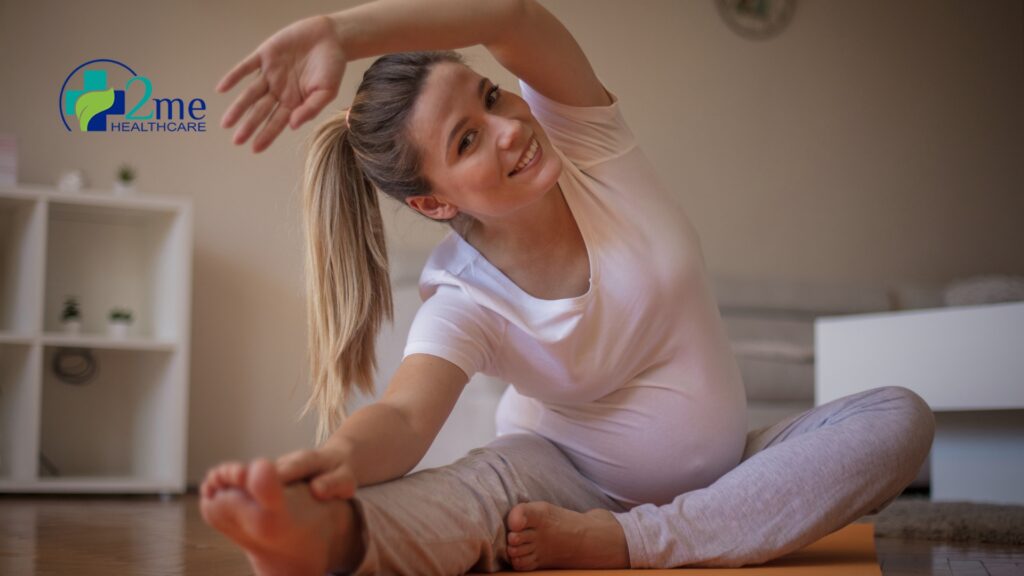
The pelvic floor is a silent powerhouse, crucial for far more than just bladder control. These muscles are the unsung heroes supporting your vital organs, influencing sexual function, and acting as a cornerstone of your core stability.
Still, many individuals only become aware of their pelvic floor when issues arise. Whether you’re recovering from childbirth or addressing other pelvic needs, caring for your pelvic floor is good practice. From the well-known Kegel technique to a broader spectrum of at-home exercises, understanding and engaging in pelvic floor rehabilitation helps unlock a healthier, more confident you.
Why Pelvic Floor Health Matters
When pelvic floor muscles weaken, tighten, or lose coordination due to factors like childbirth, aging, surgery, or injury, uncomfortable symptoms can arise. These include urinary incontinence (bladder urgency or leakage), fecal incontinence, pelvic organ prolapse (notable for a feeling of heaviness), and pelvic pain. Such issues significantly impact daily life, but they are treatable.
From Kegels to Comprehensive At-Home Physiotherapy
For many, “pelvic floor exercises” are synonymous with “Kegels.” While invaluable, Kegel exercises are but one piece of a larger, more intricate puzzle. A truly effective pelvic floor rehabilitation program extends far beyond simple squeezes, incorporating a range of movements that integrate the pelvic floor with the entire core while addressing both strength and relaxation. The good news is that with proper guidance, a significant portion of this rehabilitation can be conveniently performed in the comfort of your own home.
Mastering Kegels
The Kegel exercise focuses on directly contracting and relaxing the pelvic floor muscles. The critical first step is accurate muscle identification – many individuals mistakenly engage their glutes, abs, or thighs instead.
Imagine you are trying to stop the flow of urine mid-stream or trying to prevent passing gas. The muscles you feel contracting and lifting are your pelvic floor muscles. Find a comfortable position – lying down, sitting, or standing are all suitable. Gently contract your pelvic floor muscles, feeling a sensation of “lifting” upwards and inwards. Hold this contraction for 3 to 5 seconds. Slowly and completely relax the muscles for an equal duration (3 to 5 seconds). Full relaxation is just as important as contraction. Aim for 10-15 repetitions, performed three times daily.
Other Pelvic Exercises
A truly comprehensive at-home pelvic floor program integrates these muscles into functional movements, improving their coordination with the breath and other core muscles. These exercises help build endurance and strength in a more dynamic way than Kegels alone.
- Bridge Pose: Lie on your back with knees bent and feet flat on the floor, hip-width apart. As you exhale, gently engage your pelvic floor, then lift your hips off the floor, forming a straight line from your shoulders to your knees. Inhale as you slowly lower your hips, relaxing the pelvic floor.
- Squats: A fundamental movement, squats engage the entire lower body and core. As you lower your body as if sitting into a chair, focus on maintaining a neutral spine. On the way up, engage your pelvic floor muscles, lifting them upwards.
- Pelvic Tilts: Lie on your back with knees bent, feet flat. Gently flatten your lower back into the floor by tilting your pelvis upwards, engaging your abdominal and pelvic floor muscles. Then, release and arch your lower back slightly, tilting your pelvis downwards. This promotes flexibility and awareness.
- Bird Dog: Start on your hands and knees, ensuring your back is flat. As you exhale, engage your core and pelvic floor, then slowly extend one arm forward and the opposite leg backward, keeping your torso stable. Inhale as you return to the starting position. This exercise builds core stability and coordination.
- Diaphragmatic Breathing (Belly Breathing): This is vital for pelvic floor relaxation and coordination. Lie down and place one hand on your chest and the other on your abdomen. As you inhale, allow your belly to rise (your chest should remain relatively still). As you exhale, your belly should fall, and you can gently engage your pelvic floor. This helps release tension and improve blood flow.
- Relaxation Stretches: For those with hypertonic (overly tight) pelvic floor muscles, stretching is as important as strengthening. Poses like Happy Baby Pose (lying on your back, bringing knees to chest, grabbing feet and opening hips) or the Butterfly Stretch (sitting with soles of feet together, knees open) can gently lengthen and release pelvic floor tension.
When to Seek Professional Guidance
While at-home exercises are incredibly beneficial, the nuances of pelvic floor dysfunction often warrant professional expertise. Consulting a physical therapist is highly recommended if you’re uncertain about how to correctly identify or engage your pelvic floor muscles, or your symptoms persist or worsen despite consistent at-home practice. You should also talk to a professional if you experience pain during exercises or daily activities, or if you’ve been diagnosed with a specific pelvic floor disorder such as severe prolapse, chronic pelvic pain, or nerve damage.
A specialized pelvic floor therapist can conduct a thorough assessment, including internal examinations if necessary, to pinpoint the exact nature of your dysfunction.
Prioritizing Your Postpartum Pelvic Health
Investing in your pelvic floor health, postpartum or otherwise, is a profound act of self-care. From foundational Kegels to comprehensive at-home physiotherapy, you possess the tools to restore strength, alleviate discomfort, and reclaim control.
If you’re navigating the complexities of postpartum recovery and seeking seamless support, consider services like OB2Me. We bring expert prenatal and postpartum care directly to your home, offering a convenient, personalized approach to your well-being. Empower yourself with knowledge and professional guidance for a healthier, more confident future.