Safe Skin and Hair Treatments You Can Begin After Your Postpartum Check‑up

Understanding Postpartum Bleeding and Knowing When to Seek Help
December 5, 2025
Is Fertility Treatment Right for Me? Top Questions Answered
January 2, 2026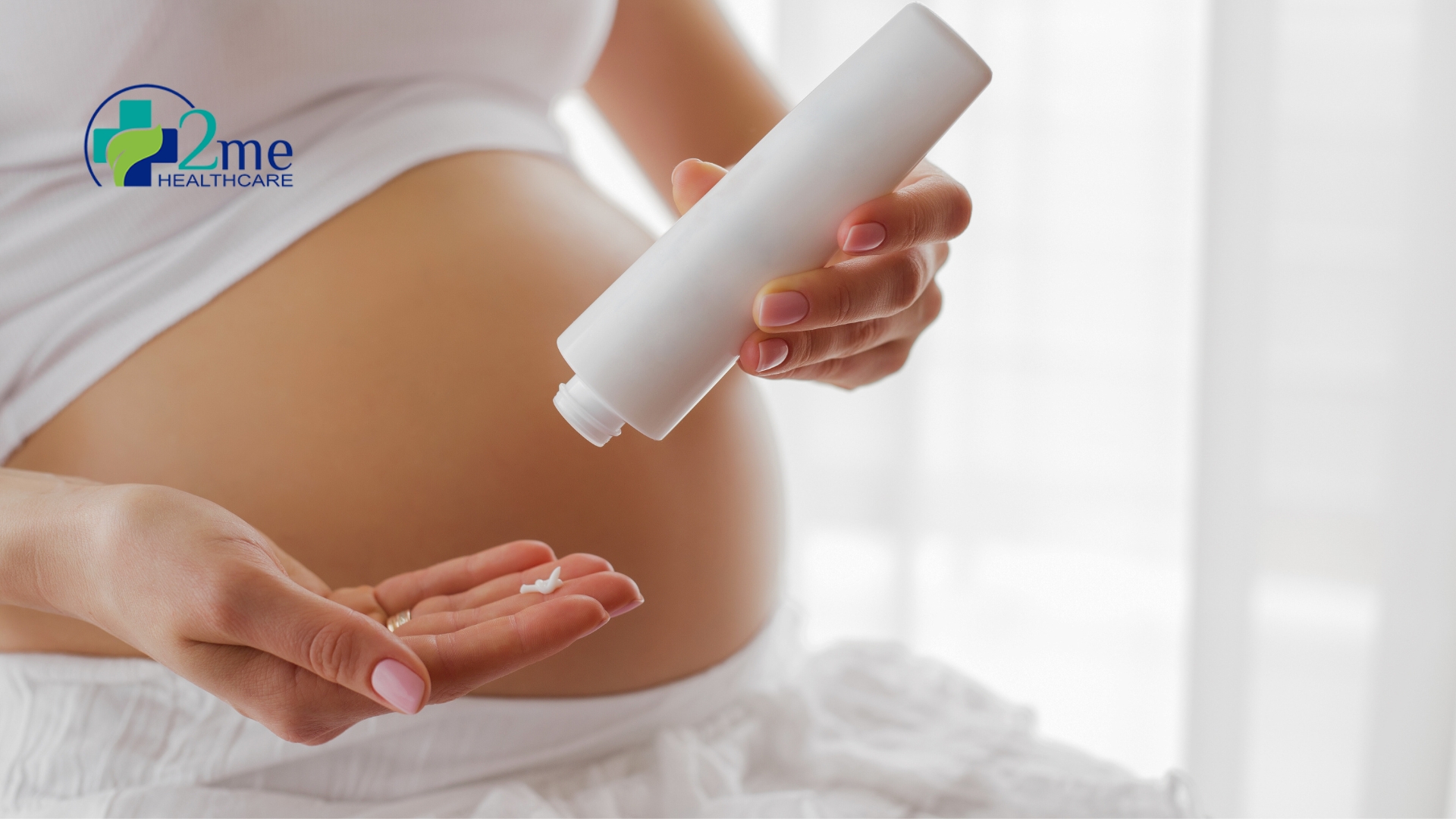
Motherhood brings significant physiological changes, impacting skin and hair due to hormonal shifts, sleep deprivation, and newborn care. Many women experience new concerns like breakouts, dryness, hair shedding, and pigmentation. While some changes resolve naturally, others prompt a desire for targeted treatments.
For new mothers, particularly those breastfeeding, safety is crucial. Your postpartum check-up, typically around six weeks, is an ideal time to discuss safe treatment options with your healthcare provider, prioritizing both your well-being and that of your baby.
Understanding Postpartum Skin and Hair Transformations
Before getting into treatments, it’s helpful to understand the underlying causes of these changes. The dramatic drop in estrogen and progesterone after birth is a primary driver. This can lead to increased oiliness or dryness, acne breakouts, and the infamous “postpartum hair loss” (telogen effluvium).
Pregnancy and breastfeeding can deplete essential vitamins and minerals, which can impact skin health and hair growth. Chronic lack of sleep and the inherent stress of new parenthood can dull the complexion, exacerbate skin conditions, and contribute to hair fragility. The body’s fluid balance can be affected by breastfeeding and the general demands of recovery, leading to dehydration.
General Postpartum Skincare & Haircare Principles
Regardless of specific concerns, adopting a gentle and nurturing approach forms the foundation of postpartum skincare. Remind yourself that many postpartum issues are temporary. Hair loss, for instance, typically peaks around 3-4 months postpartum and often resolves within 6-12 months.
Your skin and scalp may be more sensitive. Prioritize mild, fragrance-free products that are free from harsh sulfates and parabens, which can strip natural oils and cause irritation. Drink ample water throughout the day. Externally, use moisturizers rich in humectants, such as hyaluronic acid and glycerin, and emollients like ceramides to support your skin’s barrier.
Postpartum skin, especially if you’ve experienced melasma (the “mask of pregnancy”), is highly susceptible to sun damage. Use a broad-spectrum sunscreen with an SPF of 30 or higher daily. Mineral sunscreens, which contain zinc oxide and titanium dioxide, are often preferred by breastfeeding mothers due to their minimal absorption.
A balanced diet rich in lean proteins, iron, zinc, magnesium, omega-3 fatty acids, biotin, and Vitamin C provides the essential building blocks for healthy skin and robust hair. As challenging as it may be with a newborn, prioritize rest whenever possible. Delegate tasks and accept help when you can, and take short moments to relax, through deep breathing or gentle stretching, to ease stress that can aggravate skin and hair conditions.
Safe Skin Treatments Postpartum
Postpartum skin often faces new challenges, such as acne, dryness, melasma, and changes in firmness or the development of stretch marks, which are all common. The goal is to maintain a gentle, hydrating, and safe routine for both you and your baby.
- Daily Care Essentials
Stick to mild, fragrance-free cleansers and nourishing moisturizers that support skin recovery. Ingredients like hyaluronic acid, glycerin, and ceramides help strengthen the skin barrier and restore hydration. For added brightness and a more even tone, vitamin C and niacinamide are excellent choices that are generally considered safe while breastfeeding.
- Targeted Treatments
For specific concerns, some active ingredients can be safely introduced with guidance. Azelaic acid is a versatile option for treating both acne and melasma. Low concentrations of benzoyl peroxide or salicylic acid may also help with breakouts. Still, it’s essential to confirm with your healthcare provider, mainly to ensure no direct skin contact with your baby.
If prescribed, mild topical steroid creams for eczema are typically safe to use. Kojic acid can help lighten dark spots, while stronger agents like hydroquinone should only be used after careful consultation due to potential absorption risks.
- Treatments to Approach with Caution
Certain ingredients and procedures are best avoided during breastfeeding. Retinoids (such as retinol or tretinoin) carry absorption concerns, and strong chemical peels, injectables like Botox or dermal fillers, and some laser treatments (including Pico and fractional lasers) have limited safety data. These are often best postponed until after breastfeeding.
- When Professional Treatments Are an Option
Once cleared by your healthcare provider, you may safely explore gentle, professional treatments that address specific postpartum concerns. Options like a HydraFacial for hydration, a Cosmelan peel for melasma, Morpheus8 for tightening, or microneedling (Dermapen or iPixel) for scars can all support your skin’s recovery and renewal. Always inform your practitioner if you’re breastfeeding so they can tailor the treatment accordingly.
Safe Hair Treatments Postpartum
Postpartum hair loss, or telogen effluvium, is a common and temporary condition that many new mothers experience. While it can be distressing, gentle care and the right treatments can help support regrowth and restore healthy hair over time.
- At-Home Care
Treat your hair and scalp with care during this period of transition. Avoid tight hairstyles, excessive heat styling, and harsh brushing, especially when your hair is wet and more fragile. Use mild, sulfate-free shampoos and conditioners that preserve natural oils and prevent dryness. Regular scalp massages with warm coconut, argan, or castor oil can help boost circulation and encourage new growth. To improve strength and shine, try hydrating hair masks that include ingredients such as shea butter, aloe vera, or keratin.
- Nutritional Support
Continue taking your prenatal vitamins, as many healthcare providers recommend them postpartum for comprehensive nutrient support. If lab work indicates deficiencies, your provider may recommend targeted supplements, such as biotin, Vitamin D, iron, zinc, or folic acid—all of which play a role in promoting healthy hair growth.
- Coloring and Chemical Treatments
When coloring your hair, choose ammonia-free or natural dyes to minimize exposure to harsh chemicals. Highlights and lowlights are safer options since they involve less scalp contact, and ensuring proper ventilation during the process is important. Although hair coloring is generally considered safe in moderation, waiting until after breastfeeding is the most cautious approach.
- Professional Treatments
For more targeted solutions, discuss options with your healthcare provider before starting any new treatment. Minoxidil (Rogaine) can stimulate regrowth but should only be used under medical guidance if breastfeeding.
Platelet-Rich Plasma (PRP) Therapy, which uses your body’s own growth factors, is often considered safe and effective for hair restoration. Other professional options include Mesotherapy, which delivers nutrients directly to the scalp, and Low-Level Laser Therapy (LLLT), which enhances circulation and supports follicle activity.
Personalized Postpartum Care with OB2Me
Navigating postpartum skin and hair changes requires both patience and informed decisions. While gentle at-home care and specific treatments can be beneficial, always prioritize safety, especially if you are breastfeeding. The crucial first step is discussing your concerns with a trusted healthcare provider who understands your unique postpartum journey.
For personalized guidance and convenient, compassionate care that prioritizes your well-being and that of your baby, consider OB2Me. Our comprehensive approach ensures you receive expert advice and support, making your postpartum recovery as smooth and confident as possible.