
Self-care During the Postpartum Period: Essential Tips and Rituals
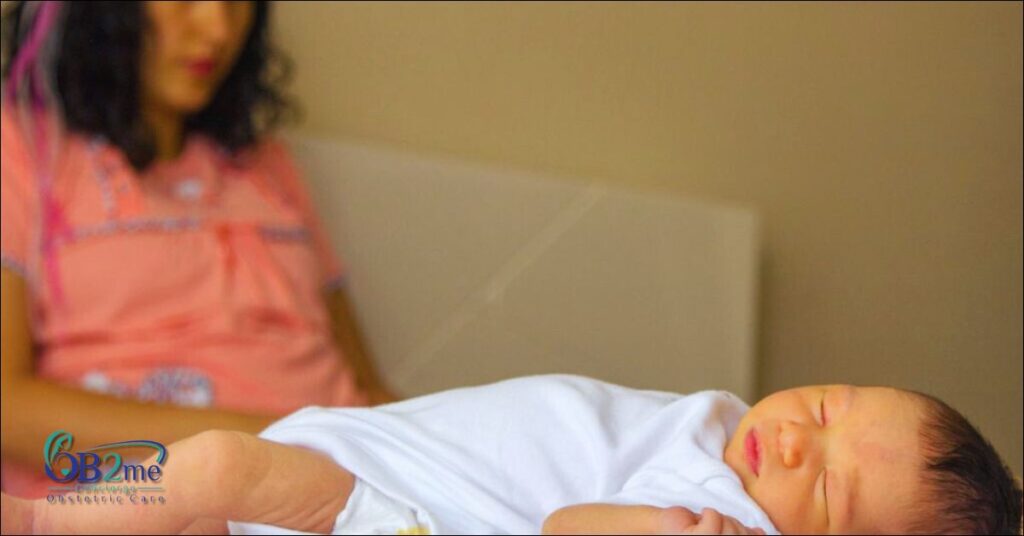
Self-care during the postpartum period is the practice of caring for your physical, emotional, and mental health after giving birth. It is not selfish, optional, or something that should be saved for a day when life feels less busy. Postpartum self-care is an important part of recovery, especially as your body heals, your hormones shift, and you adjust to the demands of caring for a newborn.
The weeks and months after childbirth can be joyful, meaningful, exhausting, and overwhelming, sometimes all within the same day. New mothers may be healing from vaginal delivery, a C-section, stitches, blood loss, breastfeeding challenges, disrupted sleep, or the emotional adjustment of becoming a parent. A thoughtful approach to self-care during the postpartum period can help you feel more supported, more confident, and more connected to your own needs.
At OB2me, we believe mothers deserve care that feels personal, attentive, and reassuring. Pregnancy and postpartum care should not feel like another stressful item on your to-do list. You deserve a provider who listens without judgment, answers your questions clearly, and helps you navigate every stage of motherhood with calm, compassionate support.
This guide explores why preparing for postpartum self-care during pregnancy helps, seven practical self-care rituals for pregnancy and recovery, postpartum hair and skincare tips, and ways to advocate for yourself after delivery.
Why You Should Prepare for Postpartum Self-Care During Pregnancy
Preparing for self-care during pregnancy can make the transition into postpartum recovery feel more manageable. While no one can fully predict what childbirth and early parenthood will look like, creating a support plan before your baby arrives can reduce stress and help you focus on healing afterward.
Pregnancy changes the body, daily routines, relationships, priorities, and emotions. As your due date approaches, you may spend a lot of time preparing the nursery, purchasing baby supplies, organizing your birth plan, and arranging work leave. Those steps matter, but preparing for your own recovery is equally important.
Self-care during the postpartum period often becomes easier when you have already considered your needs during pregnancy. For example, you can prepare easy meals, identify people who can help with errands, create a comfortable recovery space, and talk with your provider about what physical and emotional changes to expect.
Some helpful ways to practice self-care during pregnancy include:
- Getting enough rest whenever possible
- Eating regular, nutrient-dense meals
- Staying active with provider-approved movement
- Managing stress through calming routines
- Building a dependable support system
- Asking questions about labor, delivery, breastfeeding, and recovery
- Planning practical help for the first few weeks after birth
Prenatal care should give you more than routine checkups. It should give you space to ask questions, share concerns, and feel confident about your health. OB2me offers a concierge-style approach to obstetrical care for women seeking expert guidance without the stress of rushed appointments, crowded waiting rooms, or fragmented communication. With consistent, board-certified support, you can focus more of your energy on your pregnancy, your baby, and your family.
Seven Self-Care Rituals for Pregnancy and Postpartum Recovery
Self-care does not need to involve expensive products, elaborate routines, or hours of free time. During pregnancy and after birth, simple and repeatable rituals can have a meaningful effect on your mood, physical recovery, and sense of stability.
The best self-care during the postpartum period is realistic. It should fit your current energy level, recovery needs, and family situation. Some days, self-care may look like a shower, a nutritious meal, or a 20-minute nap. Other days, it may mean calling a friend, taking a walk, or asking someone else to hold the baby while you rest.
Here are seven postpartum self-care rituals that can help you feel more grounded and cared for.
1. Move Your Body Gently and Safely
Movement can support both physical and emotional health during pregnancy and throughout postpartum recovery. Gentle exercise may help improve circulation, ease stiffness, support sleep, lift your mood, and help you reconnect with your body after birth.
However, postpartum exercise should never be rushed. Your body needs time to heal, particularly after a C-section, complicated delivery, significant tearing, or other medical concerns. Always follow your healthcare provider’s recommendations before returning to exercise or increasing your activity level.
For many women, gentle movement may include:
- Short walks outdoors or around the house
- Gentle stretching
- Postpartum yoga
- Pelvic floor exercises, when recommended by your provider
- Light strength training after medical clearance
- Swimming once healing and provider guidance allow it
Walking can be one of the simplest ways to begin. A short walk with your baby in a stroller, a few minutes of stretching while the baby naps, or a slow walk outside for fresh air can help break up a long day indoors.
Focus on how movement makes you feel rather than on using exercise as a source of pressure to “bounce back.” Postpartum recovery is not a race. The goal is to support strength, comfort, mobility, and emotional well-being at a pace that respects your body.
2. Create a Comfortable Postpartum Sanctuary
Your environment can affect how calm, rested, and supported you feel. Creating a peaceful postpartum sanctuary does not require redesigning an entire room. It simply means setting up one or two areas where you can comfortably rest, feed your baby, recover, and access the things you need.
Choose a spot in your home that feels calm and easy to use. This may be your bedroom, a corner of the living room, or a comfortable chair near natural light. Keep practical items nearby so you do not have to repeatedly get up while you are recovering.
Your postpartum space may include:
- Supportive pillows for feeding or sitting
- A water bottle with a straw
- Healthy snacks that are easy to eat with one hand
- Nursing supplies, if applicable
- A phone charger
- Burp cloths, diapers, and wipes
- Lip balm, lotion, and tissues
- A book, a journal, or headphones
- A basket for medications and recovery supplies
You can also make the room more soothing with soft lighting, calming colors, a cozy blanket, and comfortable seating. A space that feels prepared for you sends an important message: your needs matter too.
For many new mothers, the postpartum period can feel unpredictable. A comfortable, well-stocked area can make everyday moments feel less demanding and more manageable.
3. Journal, Practice Gratitude, or Repeat Daily Mantras
The postpartum period can bring a wide range of emotions. You may feel deeply happy and grateful one moment, then tired, anxious, lonely, frustrated, or uncertain the next. These feelings do not make you a bad mother. They make you human.
Journaling can give you a private outlet for processing your experiences. You do not need to write pages every day. Even a few sentences can help you notice patterns, release difficult thoughts, and recognize meaningful moments.
Try prompts such as:
- What do I need most today?
- What felt difficult today?
- What is one thing I am proud of?
- Who can I ask for support?
- What helped me feel calmer?
- What is one small moment of joy I experienced today?
Daily mantras can also help bring comfort and perspective. Choose words that feel believable, kind, and grounding. For example:
- “I am healing one day at a time.”
- “It is okay to ask for help.”
- “I do not have to do everything perfectly.”
- “Rest is productive during recovery.”
- “My needs are important too.”
- “I am learning and growing with my baby.”
Self-care during the postpartum period includes giving yourself the same compassion you would offer a friend. You do not need to have every answer immediately. You only need support, patience, and room to adjust.
4. Get Ready for the Day in a Simple Way
When you are caring for a newborn, getting dressed may feel like a minor accomplishment. But taking a few minutes to wash your face, change clothes, brush your hair, or step outside can make a noticeable difference in how you feel.
This is not about looking perfect or meeting anyone else’s expectations. It is about creating a small routine that reminds you that you are still a person with needs, preferences, and identity beyond your responsibilities.
Keep your morning routine simple. Consider preparing comfortable outfits in advance, choosing soft clothes that are easy to feed through if needed, and keeping basic skincare products within easy reach. Dry shampoo, tinted moisturizer, lip balm, and a quick hair tie can be enough on busy days.
A gentle morning routine can help you:
- Feel more awake and refreshed
- Create a sense of structure
- Support your confidence
- Reduce the feeling of being stuck indoors
- Make it easier to accept visitors or take a short walk
- Mark the beginning of a new day, even after a difficult night
If getting ready feels impossible on some days, that is okay too. The purpose of this ritual is not perfection. It is simply an opportunity to care for yourself in a small, attainable way.
5. Schedule Beauty and Relaxation Appointments
Postpartum self-care can include professional support that helps you relax and feel more like yourself. A haircut, massage, facial, manicure, or other simple appointment may offer a needed break from the demands of early motherhood.
Before scheduling any treatment, consider your recovery status, comfort level, budget, feeding schedule, and your provider’s guidance. If you are breastfeeding or healing from a recent delivery, let the professional know so they can help make the experience more comfortable.
A beauty or relaxation appointment can provide more than a change in appearance. It may give you quiet time, adult conversation, and a reminder that your care is worth prioritizing.
If leaving home is not practical, bring a similar experience into your routine. Take a longer shower, use a face mask, apply body lotion after bathing, ask your partner to watch the baby while you rest, or enjoy a few peaceful minutes with your favorite music.
The point is not the appointment itself. The point is making room for restoration.
6. Find Reasons to Laugh and Connect
Laughter can be a powerful form of stress relief. Postpartum recovery includes many serious responsibilities, but it can also include moments of humor, connection, and lightness.
Watch a funny show during a feeding session, send voice messages to a close friend, spend time with people who make you feel understood, or share a laugh with your partner about the strange and unexpected moments of new parenthood.
Connection matters because isolation can make exhaustion and stress feel heavier. You do not need a large social circle. One trusted person who listens without judgment can make a major difference.
Consider these simple ways to bring more joy into your day:
- Watch short comedy clips or a favorite sitcom
- Call a friend who makes you feel supported
- Share a meal with someone you trust
- Read something light and enjoyable
- Take funny photos or videos of everyday baby moments
- Practice gratitude for one good moment each day
- Join a supportive postpartum or new-parent community
Self-care during the postpartum period does not mean forcing yourself to be happy. It means creating opportunities for comfort and connection, even when life feels difficult.
7. Stay Hydrated and Nourished
Hydration is especially important during pregnancy and postpartum recovery. Your body needs fluids to support healing, energy levels, digestion, and overall well-being. If you are breastfeeding, you may also notice feeling thirstier than usual.
Keep water nearby throughout the day, especially in your feeding or recovery area. A large water bottle, flavored water, herbal tea, soups, and water-rich foods can all help you stay hydrated.
Foods with high water content include:
- Watermelon
- Oranges
- Strawberries
- Cucumbers
- Tomatoes
- Soups and broths
- Yogurt
- Leafy greens
Try to eat regular meals that include protein, fiber, healthy fats, fruits, vegetables, and carbohydrates. New mothers often need easy options, not complicated meal plans. Batch-prepared meals, grocery delivery, family meal trains, and healthy snacks can reduce the stress of deciding what to eat when you are tired.
Keep simple snacks close by, such as nuts, yogurt, fruit, cheese, whole-grain crackers, hard-boiled eggs, or protein-rich snack bars. Eating and drinking regularly is one of the most practical forms of postpartum self-care.
Postpartum Hair and Skincare Tips
Many women notice changes in their skin and hair after giving birth. Hormonal changes may contribute to acne, dryness, sensitivity, dark spots, shedding, or changes in hair texture. These concerns can feel frustrating, especially when you are already adjusting to so much physically and emotionally.
A gentle approach is often best. Avoid overwhelming your skin and hair with too many new products at once. Choose simple, mild products and give yourself time to see how your body adjusts.
Helpful postpartum skincare and haircare practices include:
- Use gentle, fragrance-free skincare products when possible
- Cleanse your face without harsh scrubbing
- Apply moisturizer consistently, especially if your skin feels dry
- Wear sunscreen when spending time outdoors
- Avoid introducing multiple strong active ingredients at once
- Stay hydrated and eat nourishing foods
- Use a mild shampoo and conditioner
- Limit heat styling when your hair feels fragile
- Avoid overly tight hairstyles that may pull on shedding hair
- Talk with your healthcare provider or a dermatologist about persistent concerns
Postpartum hair shedding can be emotionally difficult, but it is a common concern many women experience after birth. A shorter haircut, gentle scalp care, and low-maintenance styling can help you feel more comfortable while your hair adjusts.
If hair loss, skin changes, fatigue, or other symptoms feel severe or concerning, reach out to your healthcare provider. You deserve clear answers and individualized support.
Five Ways to Advocate for Yourself After Giving Birth
Advocating for yourself is an essential part of self-care during the postpartum period. You may be focused on your baby’s needs, but your health matters just as much. You deserve to be heard, respected, and included in decisions about your care.
OB2me is built around the belief that women should never feel like a number in the healthcare system. Personal, consistent communication can make a meaningful difference during pregnancy, labor, delivery, and postpartum recovery.
Here are five ways to advocate for yourself after birth.
1. Speak Up About Your Concerns
Tell your healthcare provider if something does not feel right. This can include physical pain, heavy bleeding, fever, incision concerns, breastfeeding problems, anxiety, sadness, or difficulty coping.
You do not need to minimize your symptoms or wait until they become unbearable. Asking questions is a responsible part of caring for yourself and your family.
2. Stay Informed About Your Recovery
Understanding what to expect can help you feel more confident. Ask your provider about healing timelines, pain management, postpartum appointments, activity restrictions, emotional health, feeding support, and warning signs that need medical attention.
Write down questions as they arise. Sleep deprivation can make it easy to forget what you wanted to ask during an appointment.
3. Build a Support System
Support can come from a partner, family members, friends, neighbors, postpartum doulas, lactation professionals, therapists, or parent groups. The strongest support system is one that meets both practical and emotional needs.
Be specific when someone offers help. You might ask them to bring dinner, fold laundry, hold the baby while you shower, pick up groceries, or sit with you while you talk.
4. Set Healthy Boundaries
It is okay to say no to visitors, social events, phone calls, or obligations that do not support your recovery. You do not need to host people, entertain guests, or respond immediately to every message.
A simple response can be enough: “We are resting and adjusting right now, so we are keeping visits limited.” Protecting your energy is a valid part of postpartum self-care.
5. Practice Self-Compassion
Recovery takes time. There is no single timeline for healing, bonding, breastfeeding, sleep, or feeling like yourself again. Avoid comparing your journey with someone else’s highlight reel.
Speak to yourself with patience. Celebrate small wins, accept help when it is available, and remember that you are learning alongside your baby.
When to Reach Out for Support
New motherhood can be emotionally intense, but you do not have to manage difficult feelings alone. Reach out to your healthcare provider promptly if you feel persistently sad, anxious, hopeless, overwhelmed, disconnected from your baby, or unable to manage daily life.
Seek urgent medical help if you have thoughts of harming yourself or your baby, severe bleeding, chest pain, trouble breathing, severe headache, vision changes, fever, worsening pain, or other symptoms that feel alarming. Trust yourself when something feels wrong.
A caring provider relationship can help you feel less alone in these moments. At OB2me, compassionate obstetrical care is designed to bring expertise, continuity, and genuine attention closer to where life happens. You deserve care that respects your time, listens to your concerns, and helps you feel supported through pregnancy and beyond.
Conclusion
Self-care is essential for new moms’ physical, emotional, and mental well-being in the postpartum period. It entails establishing restorative practices that aid in winding down, healing, and recharging.
New moms can better handle the ups and downs of parenthood by engaging in self-care routines, including exercise, skincare, hair care, journaling, mantras, and Ayurvedic therapies.
Keep in mind that postpartum self-care is not a nice-to-have but a must-have. Every mother should be respected and given the resources she needs to succeed in her new role.
FAQs
What are some essential self-care tips for new mothers during the postpartum period?
Essential self-care tips for new mothers include getting ample rest, staying hydrated, eating nutritious meals, and seeking help from family and friends. It’s important to prioritize your mental health by talking to a therapist or joining a support group if needed.
How can new mothers manage their physical recovery after childbirth?
To manage physical recovery, new mothers should follow their healthcare provider’s advice on postpartum exercises, take it easy to allow the body to heal, and practice good hygiene, especially with any incisions or stitches. Pelvic floor exercises and gentle walks can aid in recovery.
What are some effective ways to cope with postpartum emotions and mood swings?
Coping with postpartum emotions involves recognizing that mood swings are normal, seeking support from loved ones, and not hesitating to talk to a healthcare professional about any overwhelming feelings. Practices like mindfulness, yoga, and taking time for oneself can also be beneficial.
How important is sleep during the postpartum period, and how can new mothers get enough rest?
Sleep is crucial during the postpartum period as it aids in recovery and helps maintain mental health. New mothers can get more rest by napping when the baby sleeps, sharing nighttime duties with a partner, and creating a relaxing bedtime routine.
Why is it important for new mothers to ask for help, and how can they effectively do so?
Asking for help is vital because it ensures that new mothers don’t become overwhelmed and can focus on recovery and bonding with their baby. They can effectively ask for help by being specific about their needs, whether it’s assistance with household chores, babysitting, or emotional support.