What to Expect During Your First Skin-to-Skin Session from OB2me

Golden Hour Bonding: Why the First Hour After Birth Is Vital
August 22, 2025
Your Custom Birth-Bag Checklist Built Just for You
September 19, 2025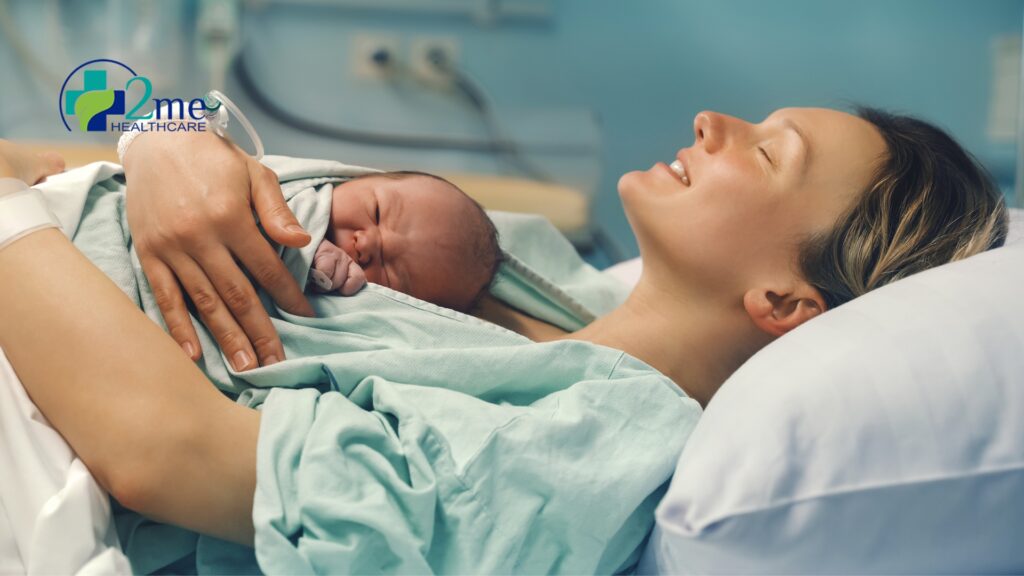
The journey into parenthood is a landscape of anticipation, preparation, and countless adjustments. Among the myriad recommendations and practices new parents encounter, one stands out for its simplicity, profound impact, and universal benefit: skin-to-skin contact.
This ancient, intuitive practice, often referred to as “kangaroo care,” is far more than just a sweet cuddle; it’s a foundational element for a newborn’s healthy transition into the world and a powerful catalyst for building an unbreakable bond between parent and child.
Understanding the Essence of Skin-to-Skin Contact
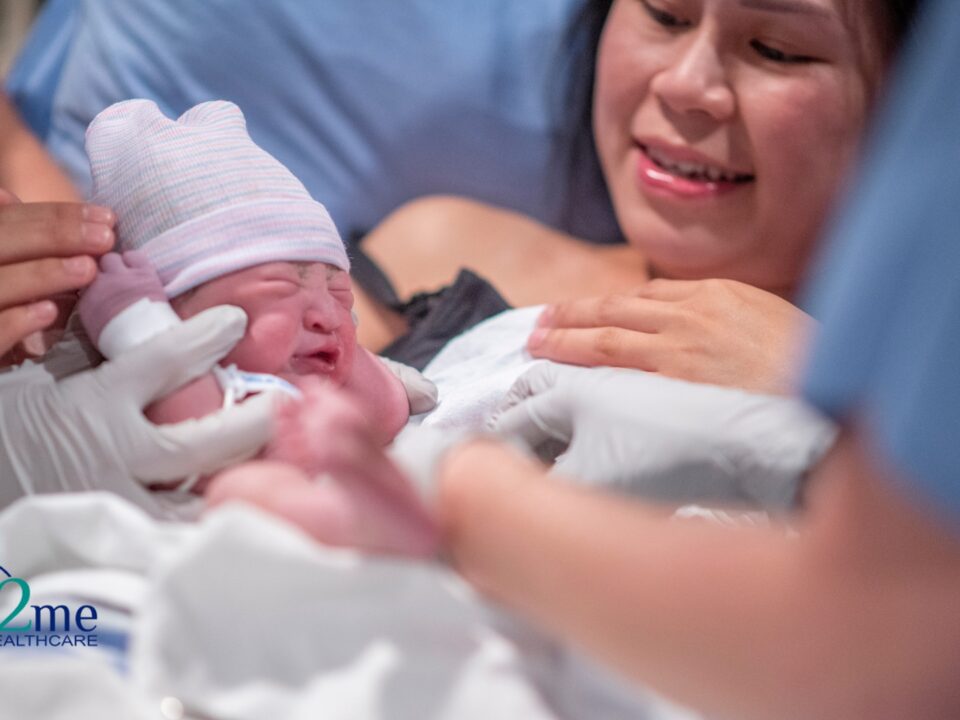
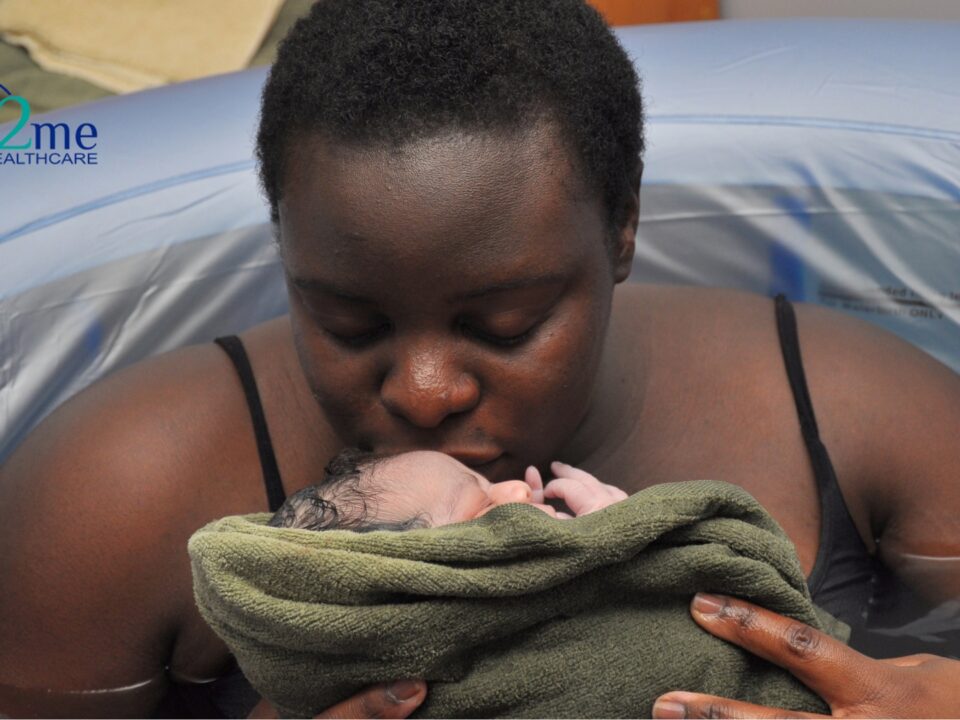
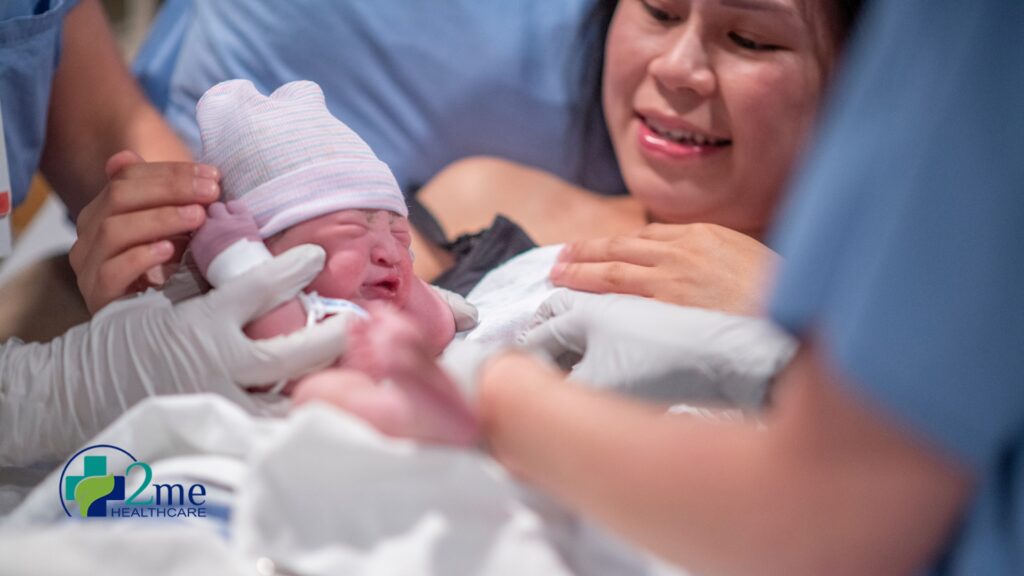
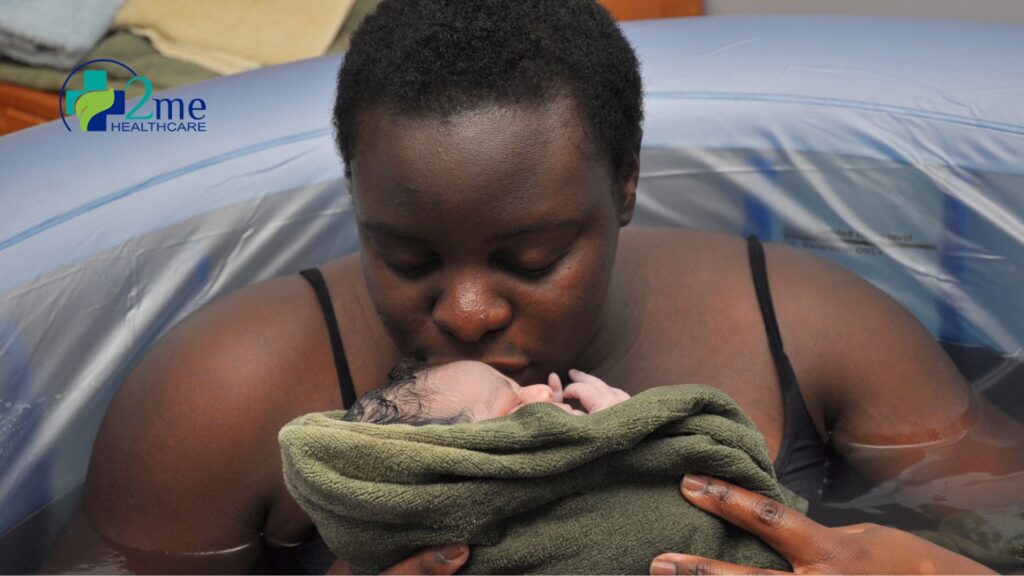
At its core, skin-to-skin contact is beautifully straightforward. It involves placing a naked baby (dressed only in a diaper and perhaps a small hat for warmth) directly onto a parent’s bare chest, belly-down. A soft, warm blanket can then be draped over both to ensure comfort and maintain the baby’s temperature. Proper positioning is key: The baby’s head should be turned to one side, allowing an open airway. Often, they rest near the parent’s heart, creating a comforting auditory link to their time in the womb.
While this intimate contact is beneficial at any time, its initiation immediately after birth is particularly crucial. This period, affectionately termed the “Golden Hour,” represents a sacred, uninterrupted window where the newborn makes its crucial physiological and emotional transition from womb to world. Minimizing disruptions during this time allows the baby to instinctively seek the breast, regulate its systems, and begin the vital process of bonding with its parents. It’s a powerful, primal dance that lays the groundwork for a secure attachment.
Skin-to-Skin’s Transformative Benefits for Newborns
The science unequivocally supports skin-to-skin contact for newborns, showing that it offers a cascade of immediate and long-term benefits. This simple act helps babies achieve crucial physiological stability, regulating their body temperature, heart rate, and breathing. It significantly reduces stress and crying, lowering cortisol levels and creating a calmer environment.
Skin-to-skin also promotes optimal brain development, fosters a stronger immune system through beneficial bacteria, and even provides natural pain relief during minor procedures. Crucially, it jumpstarts successful breastfeeding initiation by stimulating instinctive feeding behaviors. Ultimately, babies who experience skin-to-skin contact have better, more predictable sleep patterns, which are vital for their early growth and well-being.
The Profound Impact on Parents
The magic of skin-to-skin isn’t reserved solely for the baby; its effects on parents are equally profound and enduring. This intimate contact cultivates a unique synergy that strengthens the entire family unit.
The sheer closeness creates an immediate and powerful emotional connection. The sensory exchange – the baby’s soft skin, unique scent, tiny sounds, and warmth – triggers an outpouring of love and an overwhelming sense of protectiveness. This fosters a deep, secure attachment from the very first moments.
For the mom, skin-to-skin triggers the abundant release of oxytocin, often referred to as the “love hormone” or “cuddle hormone.” Beyond its role in fostering maternal instincts, oxytocin is crucial for aiding uterine contractions (reducing postpartum bleeding) and stimulating milk production and let-down. This hormonal symphony creates a powerful feedback loop that supports both physical recovery and emotional well-being.
The physical closeness and direct stimulation of the baby against the breast are powerful cues for the parent’s body to increase milk supply, responding directly to the baby’s needs.
The regular practice of skin-to-skin has also been linked to improved parental mood, reduced anxiety, and a significantly lower risk of postpartum depression. It provides moments of calm and connection amidst the overwhelming demands of new parenthood.
By observing their baby’s subtle cues during these intimate moments, parents become more attuned and responsive to their newborn’s needs. This builds increased confidence in their ability to understand and care for their child, fostering a sense of competence and self-efficacy.
Critically, skin-to-skin is not exclusive to the birthing parent. Non-birthing partners can, and should, engage in this practice. It offers them an invaluable opportunity to forge their own deep, unique bond with the baby, promoting parental equality and providing the baby with diverse sources of comfort and security.
Experience Skin-to-Skin with OB2Me
The power of skin-to-skin bonding is undeniable, a timeless practice that profoundly shapes the health, development, and emotional well-being of both newborns and their parents. It is a testament to the fact that the most impactful forms of care are often the simplest and most intuitive.
Practices like OB2Me champion this holistic approach, understanding that truly comprehensive care extends beyond medical procedures — it encompasses the fundamental human need for connection and nurturing from the very first breath. By prioritizing both medical excellence and intimate moments of wellness like skin-to-skin, we help families embark on their journey with the strongest possible foundation of love, health, and secure attachment.