The Complete Handbook for a Calm, Low-Intervention Birth

Understanding Velamentous Cord Insertion
March 6, 2026
Spotting and Managing Postpartum Thyroid Changes
April 3, 2026
For decades, the cultural narrative surrounding childbirth has been one of high-stakes medical drama, including bright lights, monitors, and a sense of emergency. However, a growing movement of parents and birth professionals is returning to the roots of physiological birth. A calm, low-intervention birth is about creating an environment where the body’s natural hormonal blueprint can function without disruption.
Understanding the Hormonal Symphony
To achieve a low-intervention birth, one must first understand that labor is driven by the endocrine system. The primary driver of labor is Oxytocin, also known as the love hormone, which causes the uterus to contract and the cervix to thin and dilate. However, Oxytocin has a shy nature. It flows best when a person feels safe, private, and unobserved.
If the mom feels frightened, judged, or overly scrutinized, the body will release Adrenaline instead. In the wild, adrenaline triggers the fight-or-flight response, and in the birth room, it slows or halts labor by shunting blood away from the uterus and toward the limbs. This creates a Fear-Tension-Pain cycle that often leads to the very interventions parents hope to avoid.
To keep Oxytocin high and Adrenaline low, aim for a safe, quiet, and soothing environment. That means a space where you feel supported by people you trust, avoid the clatter of hospital equipment or loud, clinical conversations, and with soft lighting, as darkness triggers melatonin, which works with Oxytocin to intensify contractions while keeping the mind calm.
Building Your Support Team
A calm birth starts long before the first contraction. Your choice of healthcare provider is perhaps the most significant factor in whether your birth remains low-intervention.
- Choosing the Right Provider
Plenty of healthcare providers are supportive of natural birth, but midwives often have lower rates of intervention and are specifically centered on birth as a normal physiological process. Their default stance is watchful waiting instead of active management. If you are high-risk and require a healthcare provider, look for one who discusses evidence-based care and has a low primary C-section rate.
- The Role of the Doula
A doula is a non-medical professional trained to provide continuous physical, emotional, and informational support. The presence of a doula reduces the need for Pitocin, which is synthetic Oxytocin, decreases the request for pain medication, lowers the risk of a C-section, and increases the mother’s overall satisfaction with the birth experience.
Techniques for Navigating the Intensity
In a low-intervention birth, mothers have to reframe the pain as intensity with a purpose, and unlike the pain of an injury, labor pain is productive and can be managed without pharmaceutical intervention.
- Movement and Optimal Fetal Positioning
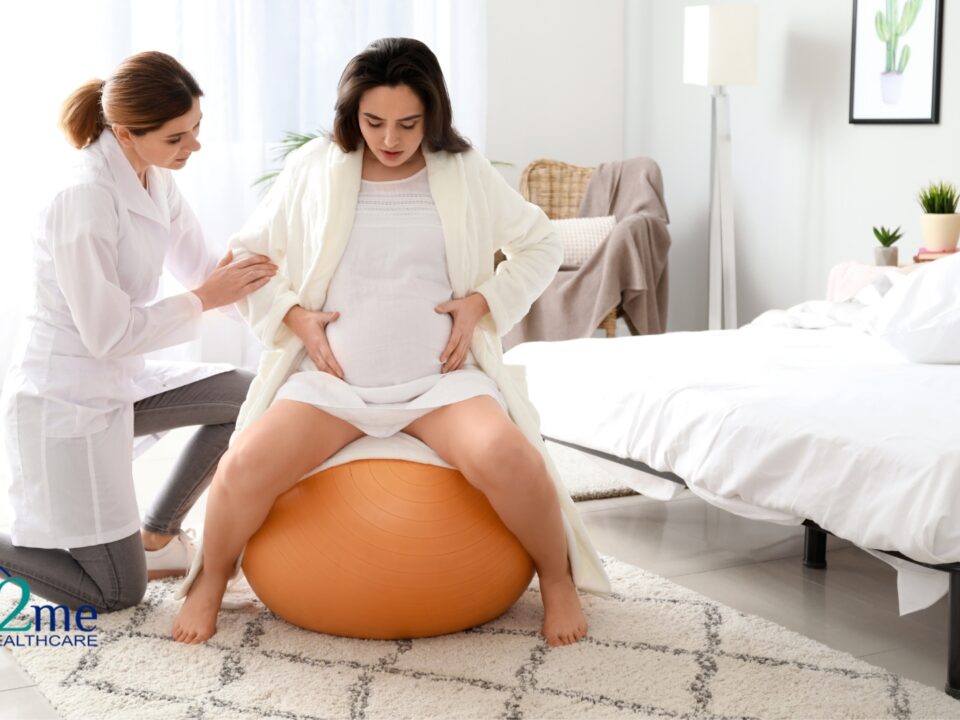
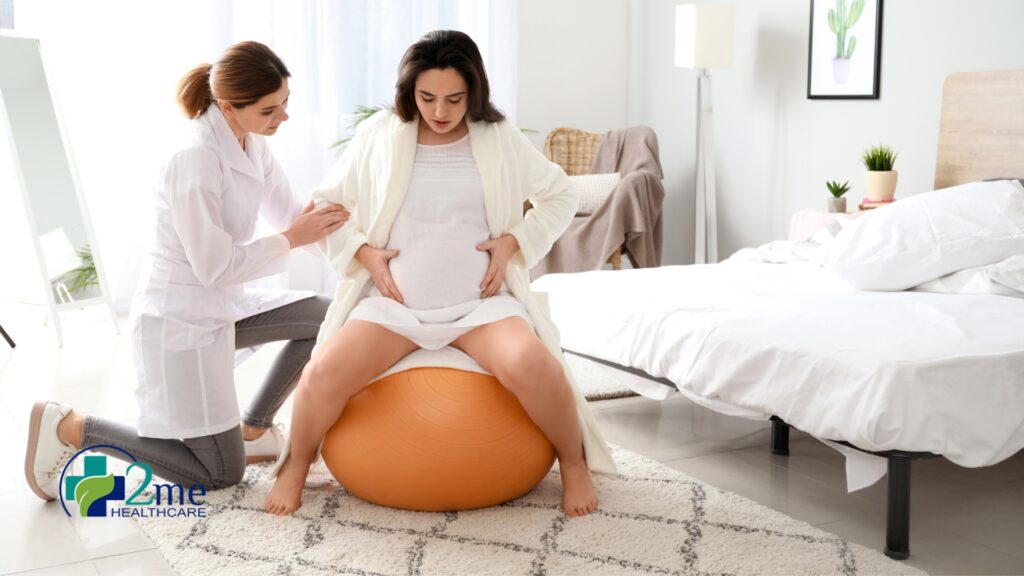
Lying on your back is often the least effective way to give birth, as it narrows the pelvic outlet and forces you to push against gravity. Instead, stay upright and mobile. You can try swaying or dancing to keep your pelvis loose, squat to open the pelvic outlet by up to 30%, or even stay on your hands and knees to relieve back labor and help your baby rotate if necessary.
- The Jaw-Pelvis Connection
There is a fascinating physiological link between the mouth and the pelvic floor. When the jaw is tight and the breath is held, the pelvic floor muscles tend to tighten as well. By focusing on a floppy jaw and making low, guttural sounds rather than high-pitched screams, you help keep the birth canal relaxed and open.
- Hydrotherapy
Often called the midwife’s epidural, warm water is an incredibly effective tool. Whether it’s a birth pool or a simple shower head, water provides buoyancy, eases the weight of the abdomen, and promotes deep muscle relaxation.
Trusting the Process
A calm, low-intervention birth is a testament to the power of the human body. It requires a balance of rigorous preparation and total surrender. By choosing a supportive team, creating a cave-like environment, and using movement to assist your baby, you turn birth into a transition to be experienced rather than a procedure to be endured.
Remember, the goal is not a perfect birth, but an empowered one. Even if medical interventions become necessary for safety, the mindset of being an active participant in your care ensures that the experience remains yours.
Elevate Your Experience with OB2Me
Achieving a low-intervention birth requires a dedicated partner who respects your body’s natural rhythm. OB2Me bridges the gap between clinical safety and the intimacy of the midwifery model by offering concierge, home-based prenatal care and consistent bedside advocacy during delivery.
The OB2Me approach ensures your hormones remain undisturbed by providing the continuity of care that traditional high-volume practices often lack. Whether you are planning a physiological birth or navigating a high-risk pregnancy, OB2Me empowers you to remain the protagonist of your story, ensuring your transition into parenthood is as calm, safe, and personalized as possible.

Carson Ragan, CNM is a Certified Nurse Midwife with more than 25 years of experience in Labor & Delivery, Neonatal ICU, and women’s healthcare. After becoming a mother at a young age and experiencing the birth of her premature second child, she was inspired to pursue nursing and ultimately midwifery.
She earned her nursing degree from Columbus State University and graduated as an RN in 1999. After years of experience as an L&D and NICU nurse, charge nurse, educator, and clinician, she earned her graduate degree from Frontier School of Midwifery and Family Nursing in 2010 and became a Certified Nurse Midwife.
Her personal experiences as both a mother and healthcare provider inspired her vision for a more personal, convenient approach to women’s healthcare. She created a concierge model designed to give women more time, individualized attention, and quality care in the comfort of their home or office.
Outside of work, Carson enjoys spending time with her husband and five children, volunteering with her daughter’s volleyball teams, traveling, and scuba diving.